
Professional Battery Solutions for Defibrillators
The Application of Defibrillators
Defibrillators are the ultimate fail-safe in emergency medicine, deployed globally across hospital emergency rooms, mobile ambulance units, and high-traffic public spaces like schools and airports. In a sudden cardiac arrest scenario, absolute equipment reliability and instantaneous power response directly determine clinical outcomes. There is zero margin for battery failure.
The rapid global adoption of professional clinical defibrillators and public Automated External Defibrillators (AEDs) demands highly specialized energy storage. Clinical units require stable, massive high-current output for immediate shock delivery. Conversely, portable AEDs depend on ultra-durable battery systems capable of remaining in dormant standby mode for years, while still guaranteeing instant, high-performance activation the exact second they are deployed.
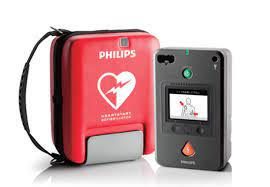
The KRL Factory-Direct Solution
As a vertically integrated 20-year source factory, KRL engineers advanced lithium battery solutions tailored explicitly for the extreme demands of life-saving resuscitation equipment. By eliminating the middleman and controlling the manufacturing process from the ground up, we deliver medical-grade battery packs featuring exceptionally long standby life, stable high-rate discharge capabilities, and intelligent Smart BMS monitoring. KRL guarantees the uncompromised safety and fail-safe power your emergency medical devices require.
KRL PowerCore Technology
Medical & AED Battery Solutions
As a vertically integrated 20-year source factory, KRL engineers industry-leading lithium battery solutions trusted by global medical emergency equipment manufacturers. Widely deployed across hospitals, mobile ambulances, and public AED stations, our customized power packs ensure rapid emergency readiness, seamless hardware integration, and reliable high-current shock delivery when every second counts.
Our versatile 18650 lithium battery portfolio is engineered to meet the stringent safety and performance standards required for critical clinical hardware and portable life-saving devices.
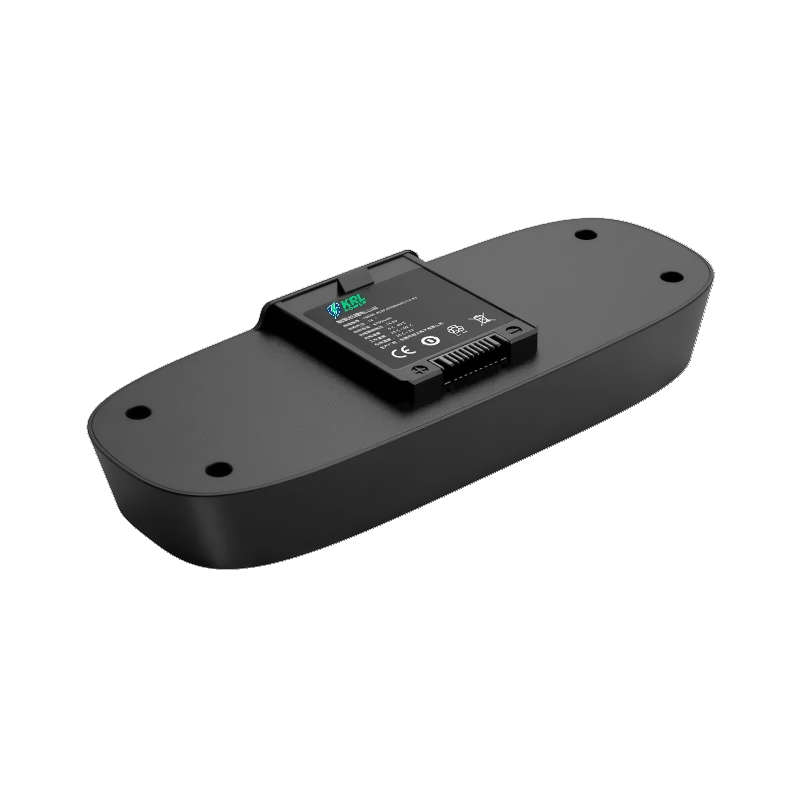
14.4V 6700mAh Custom Oxygen Concentrator Battery
Engineered for extreme cold-temperature performance, guaranteeing stable, uninterrupted power output for specialized oxygen concentrators in demanding operational environments.
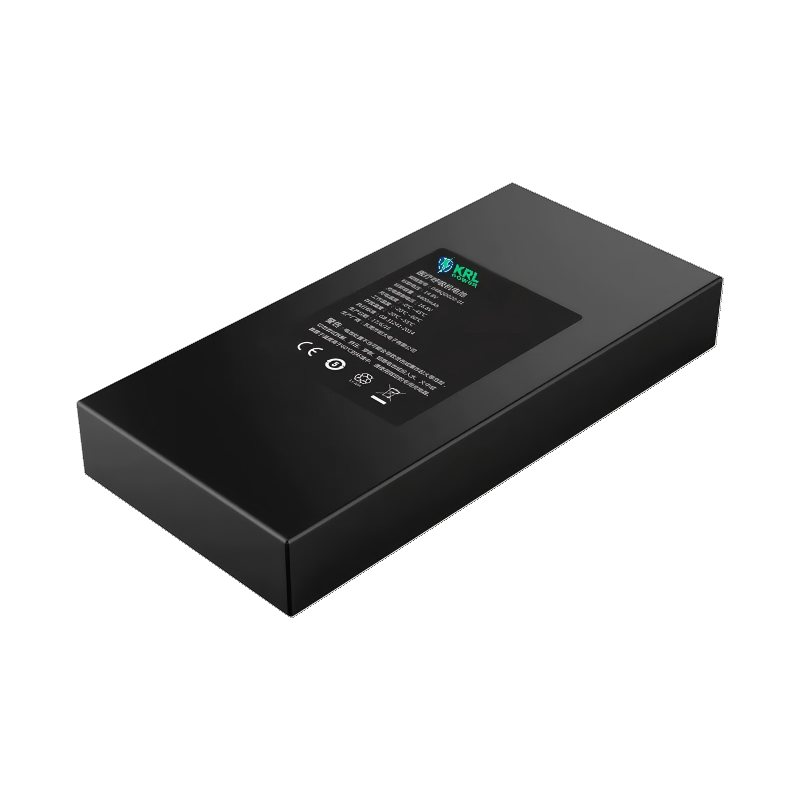
14.8V 4400mAh Medical Ventilator Ternary Pack
Features premium UR18650 cells in a highly compact footprint (155×75×22mm). Fully compliant with GB/T 18287-2000 standards to ensure safe, stable respiratory support.
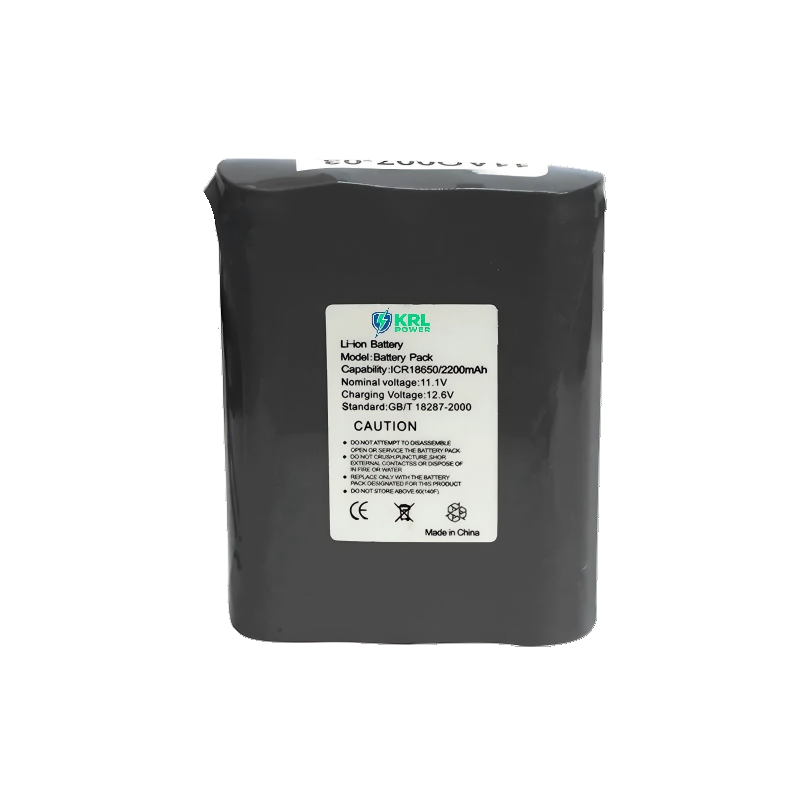
11.1V 2200mAh Compact Respirator Battery
An ultra-lightweight 18650-3S1P configuration (71×56×19mm) offering secure energy storage and highly dependable output for portable respiratory devices.
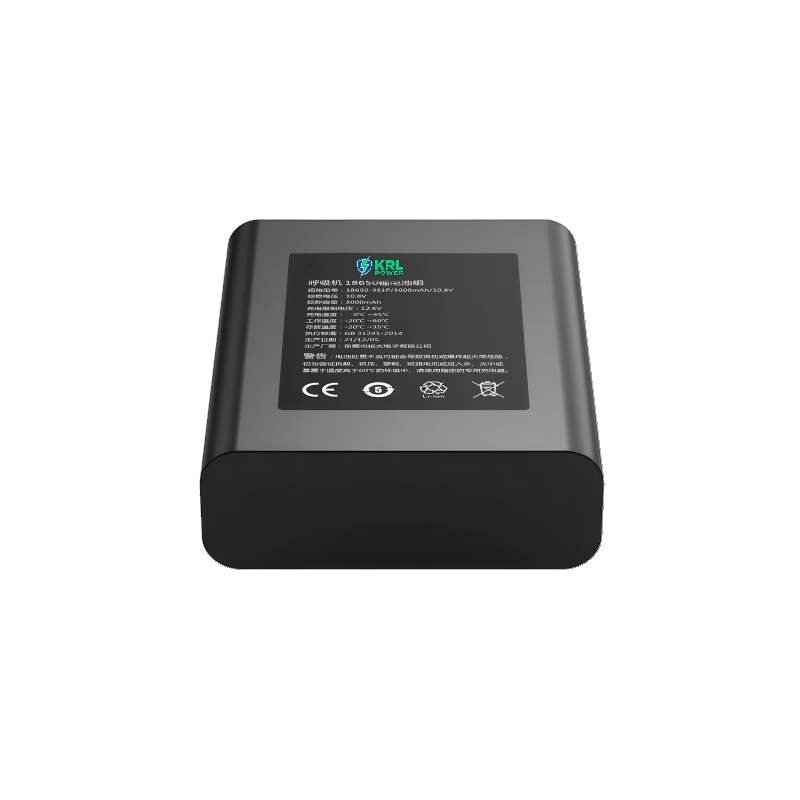
10.8V 3180mAh Smart BMS Breathing Machine Pack
Weighing only 160g, this high-capacity pack utilizes premium NCR18650BD cells and intelligent BMS protection to deliver a fail-safe power solution for advanced ventilators.
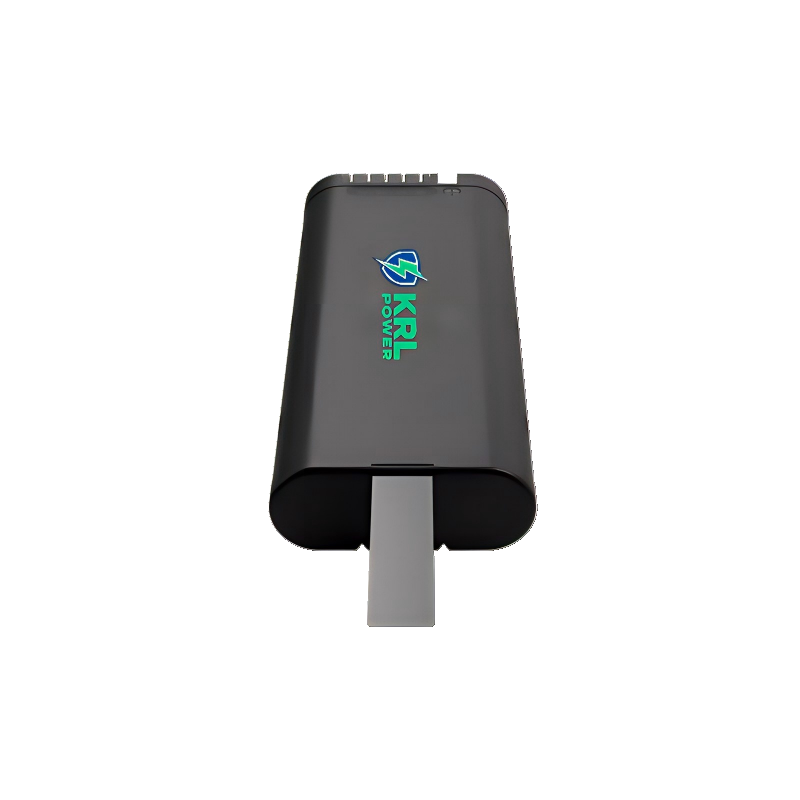
10.8V 6.4Ah Samsung Cell Ventilator Battery
Housed in a durable industrial-grade casing with integrated SMBus communication. Built with high-safety Samsung 18650 cells for exceptional cycle life and stable, long-term performance.
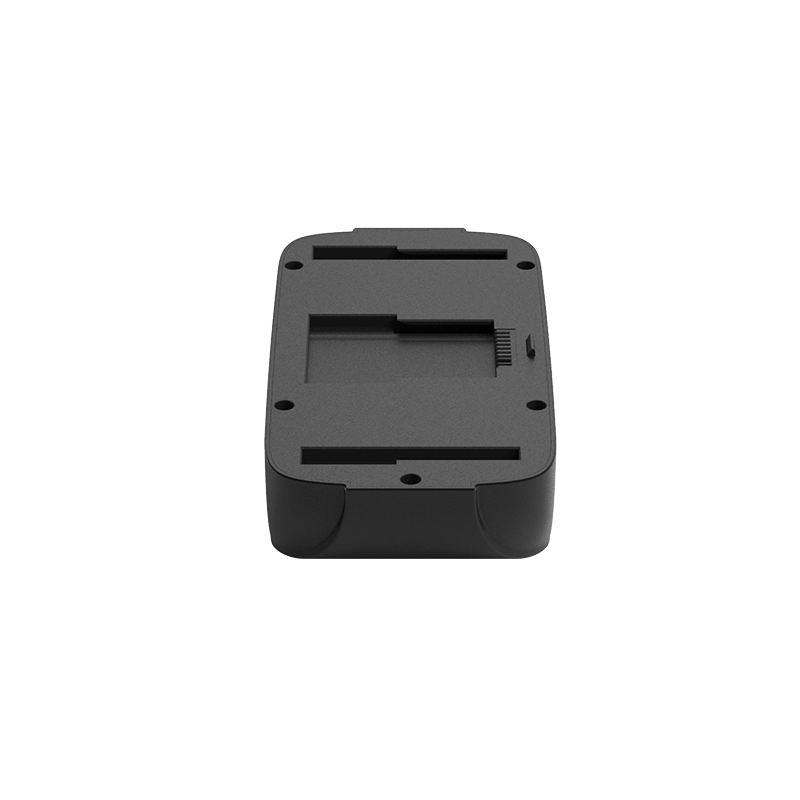
14.4V 6.7Ah Advanced BMS Handheld Medical Pack
Optimized for handheld medical devices and portable ventilators, featuring robust 18650 cells, seamless SMBUS communication protocols, and advanced BMS for extended operational longevity.
Why Choose KRL Defibrillator & AED Batteries?
Standard batteries fail under the extreme current demands of resuscitation equipment. KRL's factory-direct engineering provides the instant power surges and long-term durability required for life-saving interventions.
Certified Medical-Grade Safety
Fully ISO13485 certified and strictly compliant with IEC60601-1 safety standards, ensuring uncompromised regulatory compliance for your medical devices.
Maximum Standby & Endurance
Engineered for extreme readiness. KRL AED batteries provide a guaranteed 3 to 5 years of reliable standby life, while clinical packs support multiple consecutive high-power shock cycles on a single charge.
Instantaneous High-Rate Discharge
Specialized cell chemistry effortlessly handles the massive, sudden high-current output required for successful defibrillation shock delivery.
Advanced Multi-Level Protections
Built-in safeguards instantly neutralize the risks associated with sudden high-power loads, preventing over-discharge, overcurrent, and dangerous temperature surges.
Intelligent Self-Diagnostic Monitoring
Smart BMS technology features automated self-checks, status alerts, and highly accurate remaining-life indicators to completely prevent unexpected power failures during emergencies.
Rapid Clinical Recovery
Minimize hospital equipment downtime. Our fast-charging technology completely replenishes professional clinical defibrillators in just 2–3 hours, ensuring they are immediately ready for the next patient.
The KRL Advantage: Defibrillator Battery Comparison
Standard commercial lithium batteries fail to meet the rigorous safety and high-current demands of resuscitation equipment. See how partnering with KRL’s factory-direct engineering ensures absolute emergency readiness while lowering your long-term Total Cost of Ownership (TCO).
| Core Feature | KRL Defibrillator Battery | Standard Lithium Battery | The KRL Clinical Advantage |
|---|---|---|---|
| Safety Certification | ISO13485, IEC60601-1 | No medical-grade certification | Guaranteed global life-saving device compliance |
| High-Power Output | Supports rapid shock delivery | Limited high-current capability | 100% safe & reliable for instant emergency use |
| Standby Life | 3–5 years | 1–2 years | Up to 2x longer standby for public AED readiness |
| Cycle Life | 1500+ cycles | 500–800 cycles | +100% extended lifespan, drastically reducing replacement costs |
| Charge Time | 2–3 hours | 4–6 hours | 50% faster clinical readiness between patients |
| EMC Compatibility | Low interference, accurate monitoring | Possible signal interference | Ensures flawless, accurate ECG sensing and diagnostics |
WHAT OUR PARTNERS SAY
Join the Emergency Power Revolution
Are You Ready To Upgrade Your Defibrillator Project?
As a 20-year vertically integrated source factory, KRL conducts comprehensive electrical, mechanical, and environmental testing on every power module to guarantee lightning-fast discharge capability, long-term standby reliability, and absolute emergency readiness. Backed by our robust global supply chain, we ensure consistent, direct-from-factory delivery—delivering fully customized power exactly where battery stability meets advanced life-saving technology.
Relevant Guidelines

Stop Fuel Theft: Why Remote Sites are Replacing Diesel Generators with BESS
Remote mines, telecom sites and agricultural operations can reduce diesel shrinkage and uncontrolled OPEX by moving routine power to solar + BESS while retaining diesel for long-outage backup.

Prevent Flock Mortality: Battery Backup Power for Poultry Farm Ventilation in Nigeria
Protect poultry-house ventilation during Nigerian grid outages with KRL B261L, B522L or B2M6L. Size the system from critical fan kW, motor restart, bridge time and emergency reserve.
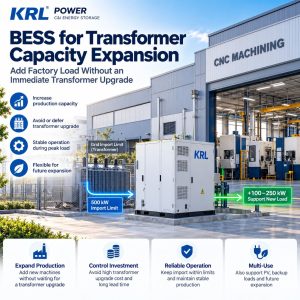
BESS for Transformer Capacity Expansion: Add Factory Load Without an Immediate Transformer Upgrade
Use KRL B261L, B522L or B2M6L to cover measured, time-limited factory power deficits when expansion exceeds existing transformer capacity. Size power, duration, current and recharge before deciding whether BESS can defer an upgrade.
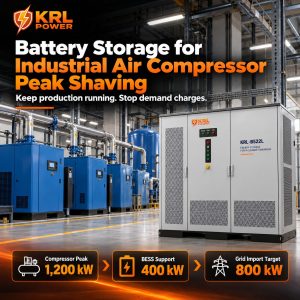
Stop Letting Your Air Compressors Spike Your Power Bill: Battery Storage for Peak Shaving
Use battery storage to shave sustained industrial air-compressor demand peaks. Size KRL B261L, B522L or B2M6L from the measured kW gap, event duration and recharge window.
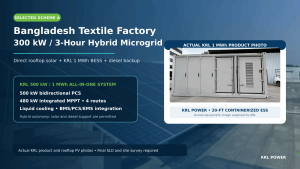
Bangladesh Textile Factory Hybrid Microgrid: Can a 964 kWh Battery Support 300 kW for 3 Hours?
Engineering review for a Bangladesh textile factory requiring a 300 kW critical load for three hours, with a KRL 500 kW/1 MWh BESS, direct-DC solar and diesel support.
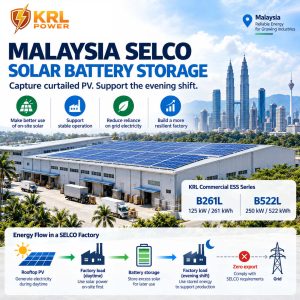
Commercial Solar Battery Storage in Malaysia: KRL B261L or B522L for SELCO?
For Peninsular Malaysian SELCO factories, compare KRL B261L and B522L using verified curtailed rooftop PV, evening feeder demand, charging compatibility and delivered AC energy.
Medical Defibrillator & AED Battery FAQ
How do I order a custom, build-to-order battery for a new defibrillator design?
What safety regulations and engineering principles apply to custom medical batteries?
What is the advantage of sourcing custom defibrillator batteries directly from a factory rather than standard third-party suppliers?
How does KRL test and guarantee the high-power capacity of AED battery packs?
Instead of using "recelling" services, can KRL manufacture new custom batteries for legacy or discontinued medical fleets?
What FDA regulations apply to third-party or custom batteries for defibrillators?
- Compliance with IEC 60601-1 for medical electrical equipment
- IEC 62133 for rechargeable battery safety
- Traceability and quality documentation
- Ensuring the replacement battery does not change the device’s intended function A detailed web article is usually needed to interpret how these regulations affect non-OEM replacements.
Is there a service that replaces batteries in obsolete or discontinued defibrillator models?
Are there custom battery options for Philips HeartStart AED devices?
What are the pros and cons of custom-built vs OEM defibrillator batteries?
- OEM batteries: predictable quality, full certification, guaranteed compatibility, higher cost
- Custom-built batteries: tailored capacity, potential cost savings, available for discontinued models, but may require additional certification verification Decision tools often present this information in a comparison table for clinical procurement teams.
How can a clinic order a custom battery for its defibrillator?
2.Sharing original battery specifications (voltage, Wh, size, contacts)
3.Engineering review and design proposal
4.Prototype build and performance tests
5.Compliance testing (UN38.3 / IEC62133)
6.Production and delivery Manufacturers familiar with emergency medical equipment—such as LargePower—often offer step-by-step support during custom development.
How do I find specialty battery manufacturers for medical devices?
- Have documented experience with medical OEM batteries
- Provide compliance certifications
- Offer custom engineering and BMS design
- Maintain strict quality control Buyer’s guides typically list suppliers that meet these requirements across medical monitoring, AED, and diagnostic devices.
What are the risks of using non-certified defibrillator batteries?
- Reduced discharge reliability during emergency use
- Potential incompatibility with AED firmware
- Legal liability in clinical environments
- Shortened device lifespan These issues are often covered in FAQ pages outlining safety requirements for life-saving devices.
What is a “recelling” service for defibrillator batteries?
How do I test the capacity of a defibrillator battery?
2.Performing a controlled discharge test
3.Monitoring pulse load performance (critical for AEDs)
4.Reviewing cycle life data These steps are often demonstrated in training documents and biomedical engineering tutorials.
What is a “recelling” service for defibrillator batteries?
- Voltage and capacity (Wh or mAh)
- Discharge current requirements
- Battery chemistry
- Size and shape constraints
- Connector / contact configuration
- BMS protection requirements
- Safety and compliance documentation Engineers usually collect this data before submitting a custom request.
What is the cost difference between custom and standard defibrillator batteries?
- Chemistry
- Required certifications
- Build-to-order engineering
- Quantity ordered Pricing pages for medical batteries often list cost ranges or cost-factor explanations instead of fixed prices.
What engineering principles apply to medical battery pack design?
- High-pulse discharge capability
- Safe thermal behavior
- Long cycle life
- Redundant protection circuits
- Compliance with IEC and FDA standards These topics are usually explored in technical whitepapers by medical battery manufacturers.
What is a build-to-order defibrillator power source?
Medical Defibrillator & AED Battery FAQ
How do I order a custom, build-to-order battery for a new defibrillator design?
What safety regulations and engineering principles apply to custom medical batteries?
What is the advantage of sourcing custom defibrillator batteries directly from a factory rather than standard third-party suppliers?
How does KRL test and guarantee the high-power capacity of AED battery packs?
Instead of using "recelling" services, can KRL manufacture new custom batteries for legacy or discontinued medical fleets?
What FDA regulations apply to third-party or custom batteries for defibrillators?
- Compliance with IEC 60601-1 for medical electrical equipment
- IEC 62133 for rechargeable battery safety
- Traceability and quality documentation
- Ensuring the replacement battery does not change the device’s intended function A detailed web article is usually needed to interpret how these regulations affect non-OEM replacements.
Is there a service that replaces batteries in obsolete or discontinued defibrillator models?
Are there custom battery options for Philips HeartStart AED devices?
What are the pros and cons of custom-built vs OEM defibrillator batteries?
- OEM batteries: predictable quality, full certification, guaranteed compatibility, higher cost
- Custom-built batteries: tailored capacity, potential cost savings, available for discontinued models, but may require additional certification verification Decision tools often present this information in a comparison table for clinical procurement teams.
How can a clinic order a custom battery for its defibrillator?
2.Sharing original battery specifications (voltage, Wh, size, contacts)
3.Engineering review and design proposal
4.Prototype build and performance tests
5.Compliance testing (UN38.3 / IEC62133)
6.Production and delivery Manufacturers familiar with emergency medical equipment—such as LargePower—often offer step-by-step support during custom development.
How do I find specialty battery manufacturers for medical devices?
- Have documented experience with medical OEM batteries
- Provide compliance certifications
- Offer custom engineering and BMS design
- Maintain strict quality control Buyer’s guides typically list suppliers that meet these requirements across medical monitoring, AED, and diagnostic devices.
What are the risks of using non-certified defibrillator batteries?
- Reduced discharge reliability during emergency use
- Potential incompatibility with AED firmware
- Legal liability in clinical environments
- Shortened device lifespan These issues are often covered in FAQ pages outlining safety requirements for life-saving devices.
What is a “recelling” service for defibrillator batteries?
How do I test the capacity of a defibrillator battery?
2.Performing a controlled discharge test
3.Monitoring pulse load performance (critical for AEDs)
4.Reviewing cycle life data These steps are often demonstrated in training documents and biomedical engineering tutorials.
What specifications do I need to order a custom defibrillator battery?
- Voltage and capacity (Wh or mAh)
- Discharge current requirements
- Battery chemistry
- Size and shape constraints
- Connector / contact configuration
- BMS protection requirements
- Safety and compliance documentation Engineers usually collect this data before submitting a custom request.
What is the cost difference between custom and standard defibrillator batteries?
- Chemistry
- Required certifications
- Build-to-order engineering
- Quantity ordered Pricing pages for medical batteries often list cost ranges or cost-factor explanations instead of fixed prices.
What engineering principles apply to medical battery pack design?
- High-pulse discharge capability
- Safe thermal behavior
- Long cycle life
- Redundant protection circuits
- Compliance with IEC and FDA standards These topics are usually explored in technical whitepapers by medical battery manufacturers.