Reliable 125kW/261kWh Industrial ESS for South Africa Factories: Solving PF Penalties and Peak Demand Costs
South Africa Factories Are Facing a New Energy Cost Challenge
For many factories, electricity bills are no longer driven only by energy consumption.
Additional costs now often include:
- Power factor (PF) penalties
- Reactive power demand charges
- Peak demand tariffs
- Diesel backup expenses
- Voltage instability risks
- Production interruption losses
The customer required:
- Industrial peak shaving
- Reactive power compensation
- Power factor correction
- Smart EMS scheduling
- Future solar integration capability
- Reliable factory energy optimization
The Real Hidden Cost: Poor Power Factor Penalties
Factories operating:
- Large motors
- Compressors
- Pumps
- Welding systems
- Inductive production equipment
In this project, the factory’s PF fluctuated between:
- 0.4–0.6 during low-load or idle production periods
- Utility penalty charges
- Increased apparent power demand
- Higher transformer loading
- Lower electrical efficiency
- Poor grid-side energy quality
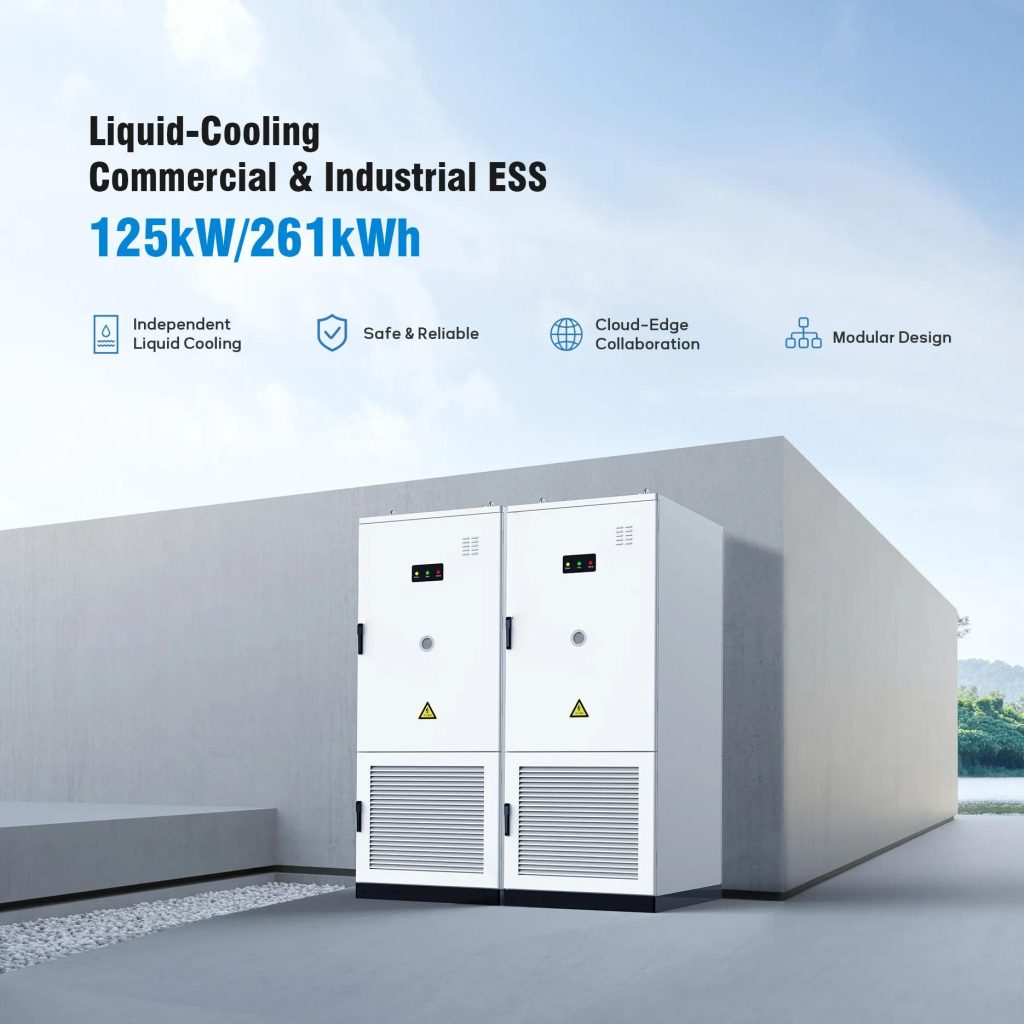
KRL Power’s Recommended 125kW/261kWh Industrial ESS Solution
Advanced Liquid-Cooled All-in-One ESS Platform
Ucwangciso lweNkqubo oluCetyiswayo
ESS Specifications
- 125kW PCS
- 261kWh Battery Capacity
- Liquid-cooled thermal management
- Intelligent EMS platform
- Four-quadrant PCS technology
- Cloud monitoring system
- Future photovoltaic integration support
Why Four-Quadrant PCS Technology Matters
KRL Power’s advanced PCS platform supports simultaneous:
- Active power control
- Reactive power compensation
During Factory Production: Peak Shaving + Reactive Compensation
Active Power Function
Reactive Power Function
This dual-function operation helps:
- Reduce electricity demand charges
- Improve power factor
- Lower utility penalties
- Stabilize factory voltage quality
- Reduce transformer stress
During Idle Production: Pure Reactive Compensation Mode
During low-load or idle production periods:
- Active output = 0kW
- PCS outputs up to 125kvar capacitive reactive power compensation
- 0.4–0.6 → above 0.95
- Elimination of PF penalty charges
- Reduced apparent power demand
- Improved utility compliance
- Better transformer utilization efficiency
During Idle Production: Pure Reactive Compensation Mode
This factory experienced:
- Grid peak demand reaching approximately 175kVA
- Grid apparent power demand can be reduced to ≤75kVA
- Iintlawulo zokufuna okuphezulu
- Utility over-demand penalties
- Transformer loading stress
- Peak grid dependency
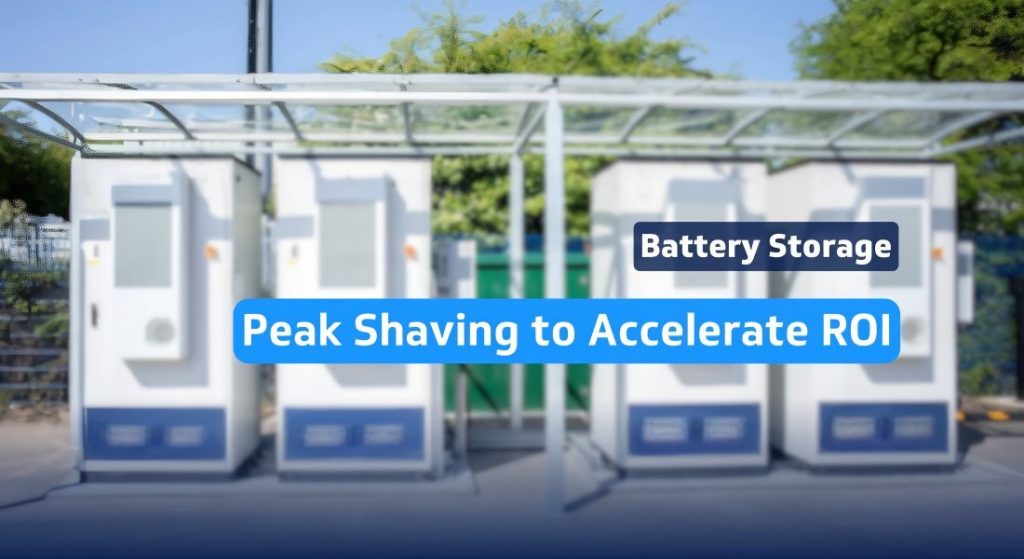
Peak-Valley Arbitrage: Reducing Electricity Procurement Costs
Nighttime Charging
Daytime Discharge
Ngo:
- 261kWh battery capacity
- Approximately 2-hour charging capability
Future Solar Expansion Already Reserved
Many South African factories are gradually transitioning toward hybrid industrial microgrid systems.
To support future upgrades, KRL Power’s ESS platform reserves photovoltaic integration interfaces for future expansion.
Future Solar Capability
The PCS supports future installation of:
- 100kWp photovoltaic systems
- Adjustable reactive power PV inverters
- Solar + ESS coordinated EMS operation
Preventing Solar-Induced Power Factor Problems
Improper solar integration can sometimes create reverse power flow conditions that negatively impact factory PF performance.
KRL Power’s intelligent EMS coordinates:
- Solar generation
- Battery dispatch
- Reactive compensation
- Grid interaction
This prevents:
- Reverse power flow PF degradation
- Utility compliance issues
- Voltage instability
Why Liquid Cooling Is Essential for Industrial ESS
Factories operating continuous industrial equipment create significant thermal stress on battery systems.
Traditional air-cooled ESS platforms may suffer from:
- Uneven thermal distribution
- Reduced discharge stability
- Faster battery aging
- Higher maintenance frequency
KRL Power’s liquid-cooled architecture provides:
Better Thermal Stability
Improves discharge consistency under heavy industrial loads.
Longer Battery Lifespan
Reduces heat-related degradation.
Improved Safety
Maintains controlled internal temperatures.
Higher Reliability
Critical for continuous industrial production environments.
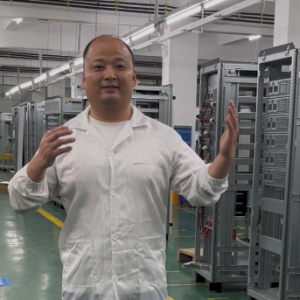
A Message from KRL Power’s R&D Director
“After more than twenty years working in industrial energy systems and commercial ESS integration, we have learned that factories today require much more than simple battery backup.
Industrial customers increasingly need intelligent energy systems capable of managing reactive power, optimizing electricity costs, coordinating solar assets, and protecting production continuity.
At KRL Power, we engineer industrial ESS platforms designed specifically for real-world factory operating conditions.”
— R&D Director, KRL Power
Why South African Factories Choose KRL Power
Advanced Four-Quadrant PCS Technology
Supports simultaneous active and reactive power optimization.
Intelligent EMS Platform
Improves long-term energy economics.
Industrial-Grade Liquid Cooling
Enhances safety and reliability.
Flexible Future Solar Expansion
Supports long-term factory energy planning.
Uyilo oludityanisiweyo lwe-All-in-One
Simplifies deployment and maintenance.
Imibuzo Ebuzwa Rhoqo (FAQ)
Q1. What is power factor correction in industrial ESS?
Q2. What is four-quadrant PCS technology?
Q3. Can the ESS compensate reactive power without battery discharge?
Q4. How does the ESS reduce peak demand charges?
Q5. Can solar panels be added later?
Q6. Why is liquid cooling better for industrial ESS?
Q7. Is remote monitoring included?
Q8. Which industries benefit most from this solution?
- Iifektri
- Industrial workshops
- Iifektri zokuqhuba umsebenzi
- Iindlu zokugcina impahla
- Commercial production facilities
- Heavy machinery operations
Isiphelo
For South African factories, industrial ESS is no longer just a backup power solution.
Modern energy storage systems must now address:
- Power factor penalties
- Reactive power compensation
- Peak demand reduction
- Electricity cost optimization
- Solar integration
- Production continuity
KRL Power’s 125kW/261kWh liquid-cooled industrial ESS platform delivers a highly integrated solution engineered specifically for modern industrial energy management.
As South Africa’s industrial energy transition accelerates, factories investing in intelligent ESS infrastructure will gain major operational and financial advantages in the years ahead.