 Yiya kumxholo
Abaninzi Abanini-makhaya Babuza Imibuzo Ekrwada Ngamandla
Kumazwe amaninzi, abanini-makhaya bayakhathazeka ngakumbi ngezi zinto:
- Ukuhla kwexabiso lombane
- Ukuphazamiseka rhoqo kombane
- Iindleko zokupholisa zasehlotyeni
- Ukhuseleko lwamandla ekhaya
Olunye lwemibuzo edla ngokubuzwa liqela lethu lobunjineli kwi Amandla e-KRL ngu:
“Ingakwazi na inkqubo yebhetri ye-30kWh ukuxhasa ii-air conditioner ezimbini, iifriji, izibane, iifeni, kunye neempompo zamanzi imini yonke?”
Emva kweminyaka engaphezu kwama-20 kwishishini lokugcina amandla, impendulo yam yile:
Kwiimeko ezininzi zokwenyani zasekhaya, ewe — inkqubo yebhetri ye-30kWh eyilwe kakuhle edityaniswe nokuveliswa kombane welanga emini inokuxhasa ngokupheleleyo iimfuno zombane ezibalulekileyo zosapho imini yonke.
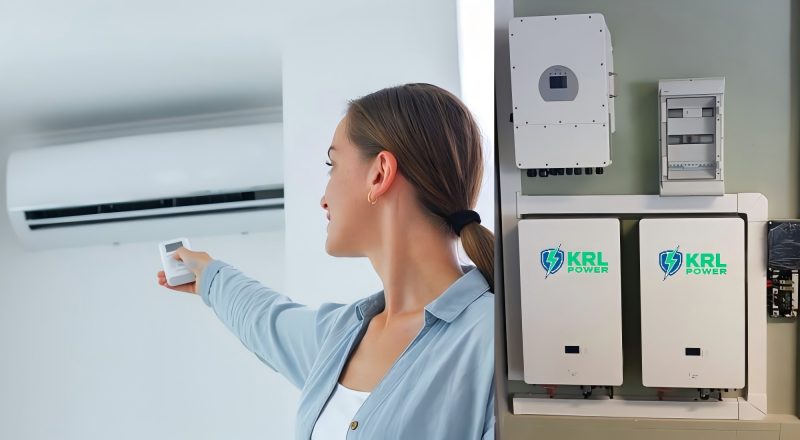
Nangona kunjalo, ukukhetha ubungakanani bebhetri akukho nje malunga nokukhetha eyona nto inkulu kangangoko.
Isitshixo sokwenene kukuyaqonda:
Isitshixo sokwenene kukuyaqonda:
- Ukusebenza kakuhle kwezixhobo zombane
- Uveliso lwelanga
- Indlela yokusetyenziswa kwamandla
- Ulawulo olubalasanebhetri
Kulapho ke ukuqala khona okwale mihla. Iinkqubo zokugcina amandla ezindlini ibe nobukrelekrele obungaphezulu kakhulu kunezisombululo zesiqhelo zokugcina ikopi.
Ukuqonda imeko yokwenene yamandla okusetyenziswa ekhaya
Masihlalutye isicwangciso sekhaya esinokwenzeka ezininzi iintsapho ezicinga ngaso namhlanje.
Ucwangciso lwasekhaya
Lo mzekelo uquka:
- Ii-air conditioner ezimbini (nganye inama-1.5HP)
- Iziqandisi ezibini
- Izibane zasekhaya
- Iifeni zombane
- Impompo yamanzi
- Izixhobo zombane eziqhelekileyo zasekhaya
Useto lwenkqubo:
- Umthamo webhetri iyonke: 30kWh
- Iimodyuli zebhetri ezimbini ze-16kWh
- Ukuveliswa kwamandla elanga emini
- Ibhetri ixhasa ukusebenza ebusuku kunye xa kukho ukunqamka kombane.
Uhlalutyo Lwenyani Lokusetyenziswa Kwamandla
Izifudumezi-moya: Olona Tyalelo Lukhulu Lwamandla
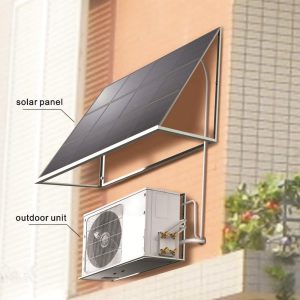
Ii-air conditioner ze-inverter zale mihla zisebenza kakuhle kakhulu kuneenkqubo ezindala ezinesantya esisisigxina.
I-AC ye-inverter eyi-1.5HP idla ngokusebenzisa:
- Malunga ne-0.6–1.2kWh ngeyure xa isipholisi sisebenza.
- Ukusetyenziswa kombane kuya kuncipha xa ubushushu begumbi buzinzile.
Kwii-air conditioner ezimbini ezisebenza kakuhle:
- Ukusetyenziswa okulindelekileyo kwemihla ngemihla: 10–16kWh iyonke
Oku kuthatha njengento eqinisekileyo:
- Reasonable outdoor temperatures
- Proper home insulation
- Intelligent thermostat usage
- Intermittent compressor operation
This is one reason why modern homes can operate effectively with a 30kWh battery system.
Refrigerators, Lighting, Fans, and Water Pumps Consume Less Than Most Homeowners Expect
Daily Household Consumption Breakdown
Most modern household appliances are already optimized for efficiency.
Typical daily usage:
Typical daily usage:
- 2 refrigerators: 2–4kWh
- LED lighting: 1–2kWh
- Fans and electronics: 1–2kWh
- Water pump: 1–3kWh
Combined with air conditioning, the household’s total daily electricity demand often falls between:
18–30kWh per day
This means:
- A properly configured 30kWh battery system can realistically support this type of household for one full day.
- Daytime solar production further improves battery endurance and operational stability.
Why Daytime Solar Changes the Entire Equation
Solar Panels Directly Reduce Battery Stress
One of the biggest misconceptions homeowners have is assuming the battery must power the home continuously all day.
In reality, modern hybrid systems work differently.
During daylight hours:
In reality, modern hybrid systems work differently.
During daylight hours:
- Solar panels directly power household appliances
- Excess solar energy charges the battery
- Battery discharge mainly occurs at night or during outages
This dramatically reduces battery cycling pressure.
For homes with strong daytime solar production:
For homes with strong daytime solar production:
- Air conditioners can operate partially or mostly from solar energy
- Refrigerators consume very little battery energy
- Battery reserve capacity lasts much longer than expected
This is why hybrid solar + battery systems are becoming the preferred residential energy strategy worldwide.
Why Safety Matters More in Residential Energy Storage Homeowners Need More Than Capacity
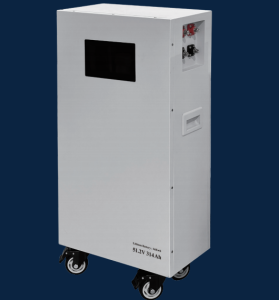
Commercial projects focus heavily on ROI and scalability.
Residential energy storage requires something even more important:
Family safety..
Kwi Amandla e-KRL, we strongly believe safer battery chemistry will define the future of home energy storage.
That is why KRL continues investing heavily in next-generation solid-state battery technology.
That is why KRL continues investing heavily in next-generation solid-state battery technology.
Why KRL Solid-State Batteries Are Better for Residential Applications
KRL Solid-State Battery Technology
As one of China’s fastest-growing energy storage companies, KRL Power has rapidly gained global recognition for innovation, reliability, and advanced system integration.
Recently recognized as a:
As one of China’s fastest-growing energy storage companies, KRL Power has rapidly gained global recognition for innovation, reliability, and advanced system integration.
Recently recognized as a:
“High-Quality Energy Storage Enterprise 2025”
KRL focuses on developing safer, smarter, and longer-lasting battery solutions for both commercial and residential energy applications.
Key Advantages of Solid-State Batteries for Homes
1. Higher Safety Performance
Traditional lithium batteries use liquid electrolytes that may introduce:ytime solar production:
- Iingozi zokuphuma elugqithisweni ngenxa yobushushu
- Leakage risks
- Fire hazards under extreme conditions
Solid-state batteries significantly improve thermal stability and reduce these risks.
For residential environments, this is critically important.
2. Longer Lifespan
Homeowners expect battery systems to operate reliably for many years.
Solid-state battery technology offers:
Solid-state battery technology offers:
- Longer cycle potential
- Lower degradation rates
- Better long-term stability
This improves lifetime value and reduces replacement costs.
3. Higher Energy Density
Higher energy density allows:
- More compact installations
- Better space efficiency
- Cleaner residential integratio
This is especially important for:
- Villas
- Apartments
- Garages
- Indoor installations
Why Smart Energy Management Matters More Than Oversized Batteries
After two decades in the energy storage industry, one important lesson remains true:
Bigger batteries alone do not guarantee better energy performance.
A properly optimized EMS system is equally important. KRL’s intelligent energy management platform helps optimize:
Bigger batteries alone do not guarantee better energy performance.
A properly optimized EMS system is equally important. KRL’s intelligent energy management platform helps optimize:
- Solar charging behavior
- Battery discharge timing
- Backup reserve allocation
- Peak electricity reduction
This allows homeowners to maximize both:
- Ubomi bebhetri
- Daily energy efficiency
Is a 30kWh Battery Enough for Full Off-Grid Living?
For some households, yes.
But true off-grid operation depends on:
- Solar panel capacity
- Weather conditions
- Air conditioning habits
- Seasonal electricity usage
- Battery reserve strategy
For most homeowners, the smarter and more economical solution is:
- Hybrid solar + battery storage
- Grid-connected backup capability
- Ukuphuculwa kobulumko kwamandla
Oku kubonelela:
- Iibhilithi zombane eziphantsi
- Amandla ombane anokuthenjwa
- Better return on investment
without overspending on oversized systems.
What Homeowners Should Evaluate Before Buying a Home Battery System
1. Real Appliance Consumption
Measure actual energy usage rather than relying on rough estimates.
2. Solar Generation Potential
Evaluate:
- Roof size
- Sun exposure
- Local climate
- Installation orientation
3. Battery Safety Architecture
Ask suppliers about:
- BMS protection
- Ulawulo lobushushu
- Fire safety systems
- Cell chemistry
- Certification standards
4. Future Expandability
Choose modular systems that support future energy growth.
The Future of Residential Energy Storage
Home energy storage is no longer just about emergency backup.
Homeowners are now investing in:
- Ukuzimela kwamandla
- Iibhilithi zombane eziphantsi
- Ukuphuculwa okubalulekileyo kwamandla
- Solar self-consumption
- Long-term energy security
- Family safety
As electricity markets become more unstable, residential battery systems are rapidly becoming part of modern home infrastructure.
Final Thoughts From a 20-Year Energy Storage R&D Perspective
After more than two decades working in battery and energy storage development, one thing is becoming increasingly clear:
The future of residential energy belongs to safer and smarter battery systems.
For many households, a 30kWh battery combined with daytime solar generation is already capable of comfortably supporting:
The future of residential energy belongs to safer and smarter battery systems.
For many households, a 30kWh battery combined with daytime solar generation is already capable of comfortably supporting:
For many households, a 30kWh battery combined with daytime solar generation is already capable of comfortably supporting:
- Ukupholisa umoya
- Refrigerators
- Izibane
- Fans
- Iimpompo zamanzi
- Essential household loads
The key is not simply battery size.
The key is choosing:
- Safe battery chemistry
- Ulawulo olukrelekrele lwamandla
- High-efficiency appliances
- Proper solar integration
At KRL Power, we continue developing next-generation solid-state battery technologies designed to help families achieve safer, quieter, and more reliable energy independence.
Imibuzo Ebuzwa Rhoqo
Q1. Can a 30kWh battery run two air conditioners?
Yes. In many residential scenarios, especially when combined with daytime solar generation, a 30kWh battery system can support two efficient inverter air conditioners along with essential household appliances.
Q2. How much electricity does a 1.5HP inverter air conditioner consume?
Most modern 1.5HP inverter air conditioners consume around 0.6–1.2kWh per hour depending on outdoor temperature and operating conditions.
Q3. Can solar panels reduce battery consumption during the day?
Yes. Solar panels directly power household loads during daylight hours and can recharge the battery simultaneously.
Q4. Why are solid-state batteries safer for homes?
Solid-state batteries use solid electrolytes instead of flammable liquid electrolytes, significantly reducing fire and thermal runaway risks.
Q5. Is a hybrid solar + battery system better than fully off-grid?
For most homeowners, hybrid systems provide better economics, greater flexibility, and more stable long-term performance.
Q6. Can home battery systems lower electricity bills?
Yes. Residential ESS systems help reduce peak electricity consumption and improve solar self-consumption, lowering utility costs over time.
