Energy Storage Export Certifications Introduction
A few months ago, during a discussion with an overseas distributor, someone asked a question that many companies in the energy storage industry eventually face:
“What certifications are required if we want to import residential energy storage systems from China?”
At first glance, a home battery system looks relatively simple. It stores electricity, supports solar power usage, and provides backup energy. However, once you start preparing for international markets, the situation becomes more complex.
Different regions have different regulatory frameworks, safety standards, and transportation requirements. From our experience working with international partners at KRL Energy, certification is often one of the biggest barriers for manufacturers entering overseas markets.
This article provides a practical overview of the key certification systems required when exporting residential energy storage systems.
Global Demand for Residential Energy Storage
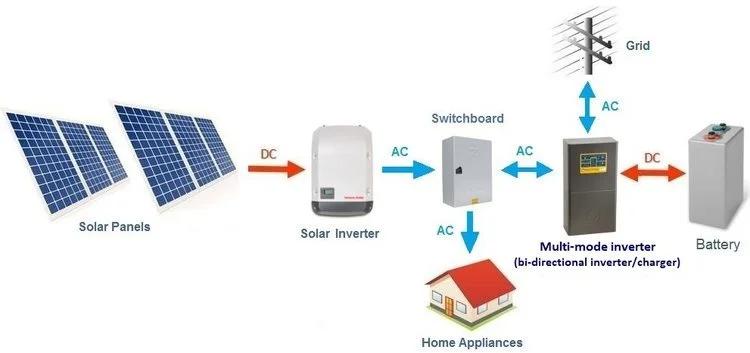
Residential energy storage has become one of the fastest-growing sectors in the global renewable energy industry.
The reasons behind this growth vary across regions.
In Europe and North America, high electricity prices are a major driver. Many households install solar panels together with battery storage systems in order to store solar energy during the day and use it when electricity prices are highest.
In Southeast Asia and parts of Africa, the motivation is different. The primary issue in these regions is grid reliability. Power outages and unstable electricity supply make residential battery systems valuable as backup power solutions.
Because of these different applications, safety standards and certification requirements have become increasingly important for manufacturers.
Major Certification Systems for Energy Storage Export
For Chinese manufacturers, overseas markets represent the main opportunity for residential energy storage expansion. However, entering these markets requires compliance with strict certification systems.
The most common certification frameworks include:
| Region | Certification System |
|---|---|
| North America | UL Certification |
| Europe | CE Certification |
| Australia | CEC Certification |
| Japan | JIS Certification |
In addition to product certification, energy storage batteries must also comply with transportation safety regulations, especially when shipped internationally.
These include requirements such as UN38.3 testing and transport appraisal reports.
UL Certification for the North American Market
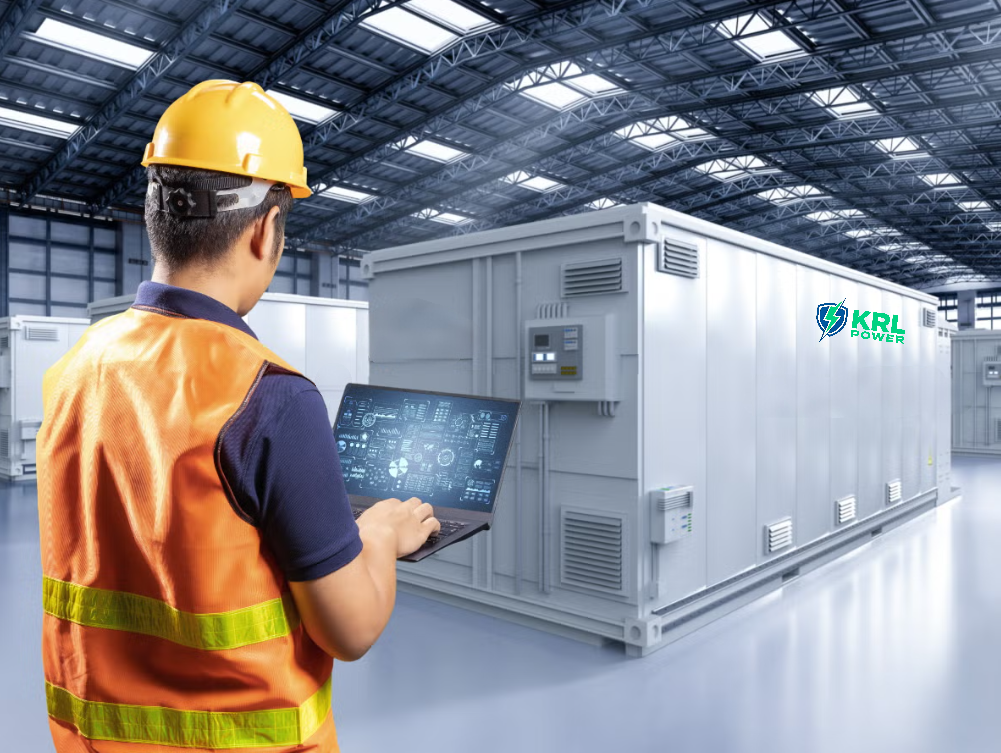
For companies entering the United States or Canadian market, UL certification is typically essential.
In most residential energy storage projects we have worked on at KRL Energy, three UL standards appear most frequently.
UL 9540 – Energy Storage System Safety
UL 9540 evaluates the safety of the entire energy storage system rather than individual components. This includes the battery pack, inverter, and system integration.
Testing focuses on electrical safety, mechanical integrity, and environmental reliability to ensure that the full system operates safely under real-world conditions.
UL 9540A – Thermal Runaway and Fire Testing
UL 9540A focuses specifically on thermal runaway events and fire propagation risks.
The test evaluates how a battery system behaves during extreme thermal conditions. Installation spacing, ventilation design, and fire mitigation strategies are all considered.
Thermal management design often plays a critical role in passing this test.
UL 1973 – Lithium Battery Safety
UL 1973 focuses on stationary lithium battery systems used in energy storage.
The testing process includes combustion testing, overcharge protection tests, over-discharge testing, and temperature shock simulations to verify that battery systems remain safe under extreme conditions.
CE Certification for the European Market
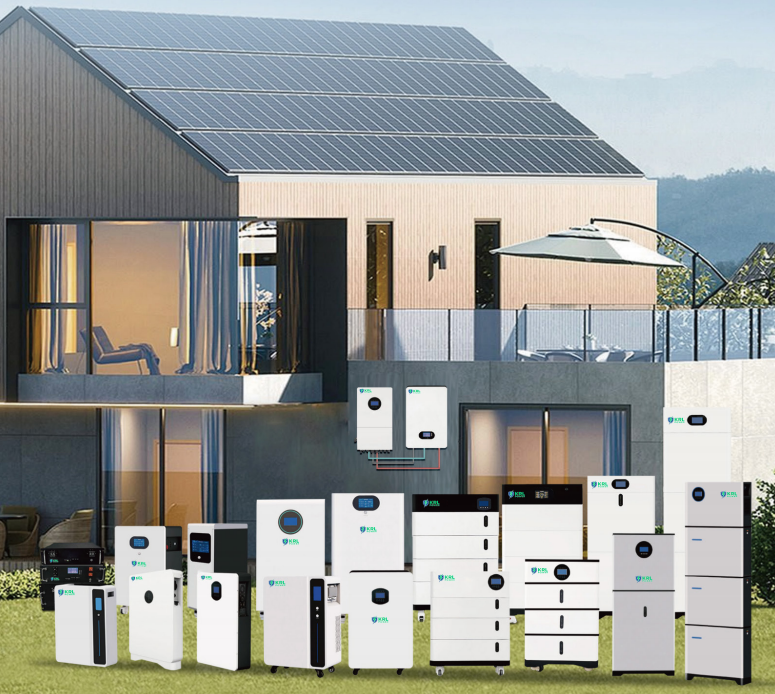
For companies exporting energy storage systems to Europe, CE certification is mandatory. In practice, CE compliance involves several related technical standards.
IEC / EN 62619 – Battery Safety
This standard focuses on lithium battery safety and includes testing such as:
- external short circuit testing
- impact testing
- drop testing
- thermal abuse testing
- overcharge testing
- forced discharge testing
The standard also evaluates the battery management system (BMS), including protection functions for over-voltage, over-current, and temperature control.
IEC / EN 62477 and IEC / EN 62109 – PCS Safety
These standards apply to power conversion systems (PCS) used in energy storage installations.
They evaluate protection against electric shock, fire hazards, thermal risks, mechanical hazards, and operational safety under various environmental conditions.
VDE 2510 – German Market Standard
Germany has one of the most developed residential storage markets in Europe. For this reason, additional certification such as VDE 2510 is often required.
This standard covers areas including battery safety, electromagnetic compatibility, installation safety, and grid connection requirements.
Transportation Certification for Lithium Batteries
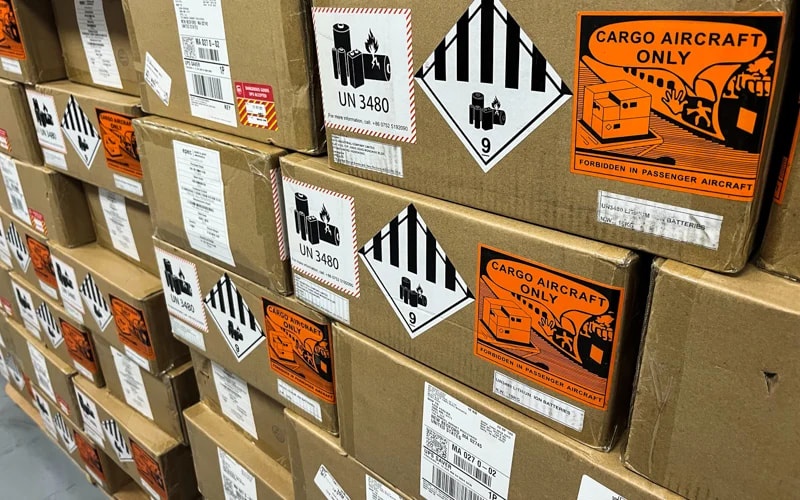
In addition to product certification, lithium batteries used in energy storage systems must comply with transportation safety regulations.
UN38.3 Lithium Battery Test
UN38.3 is a globally recognized safety standard for lithium battery transportation.
Testing includes altitude simulation, temperature cycling, vibration testing, shock testing, external short circuit tests, overcharge tests, and forced discharge testing.
These procedures ensure that lithium batteries remain safe during transportation by air, sea, or land.
Air and Sea Transport Appraisal Reports
For battery products shipped from mainland China, transportation appraisal reports must be issued by authorized dangerous goods testing institutions approved by the Civil Aviation Administration of China (CAAC).
These reports confirm that battery products meet aviation and maritime transport safety requirements.
A Practical Lesson from a KRL Energy Project
During one export project we worked on last year, we initially assumed the battery modules would easily pass certification testing.
However, during the thermal evaluation stage, the system did not pass the first test.
Interestingly, the battery cells themselves were not the problem. The issue was related to the airflow design inside the battery enclosure.
After modifying the ventilation structure and improving heat dissipation pathways, the system successfully passed the thermal safety test.
Experiences like this show that certification is not simply a documentation process. In many cases, certification requirements influence the engineering design of the entire system.
Frequently Asked Questions (FAQ)
What certifications are required to export residential energy storage systems?
Most international markets require UL certification for North America, CE certification for Europe, and UN38.3 testing for battery transportation.
How long does UL certification typically take?
For most residential battery systems, the certification process usually takes around six to eight weeks, depending on system complexity.
Is CE certification enough for the European market?
In some countries additional certifications, such as VDE standards, may also be required.
Why is UN38.3 testing necessary?
UN38.3 ensures lithium batteries can be safely transported through international logistics channels including air, sea, and land transportation.
Exporting residential energy storage systems involves much more than manufacturing reliable battery hardware. Companies must also understand international certification frameworks, safety regulations, and transportation requirements.
From our experience at KRL Energy, manufacturers that integrate certification planning into the early stages of product design are able to enter global markets much more efficiently.
As residential energy storage continues to expand worldwide, compliance and safety will remain essential factors for long-term success.