 Skip to content
1. Project Background: Why This Malaysian Client Needs ESS Now
Based on the project information (government cooperation + contractor integration + multi-scenario load demand), this Malaysia-based opportunity represents a typical fast-growing Southeast Asia public infrastructure energy transition case.
The client structure includes:
- Government cooperation or semi-government procurement pathway
- Contractor-led deployment (B2B EPC model)
-
Multi-scenario usage:
--Schools & education campuses
--Urban public infrastructure
-- Industrial & commercial loads
--Possible superposition of microgrid demand - Expected procurement value: >$357,817 per deployment cycle
- Marketing channels: WhatsApp + TikTok + contractor bidding ecosystem
This is not a simple battery purchase — it is a multi-node distributed energy optimization system problem.
2. Core Pain Points in Malaysia Multi-Scenario Energy Demand
From our engineering assessment, this type of project usually faces four structural challenges:
2.1 Unstable Load Distribution Across Scenarios
Schools, government buildings, and industrial zones have completely different load curves:
- Schools: daytime peak, low nighttime usage
- Public facilities: intermittent spikes
- Industrial loads: continuous high-power demand
Without ESS, transformer and grid stress increases significantly.
2.2 High Electricity Tariff Sensitivity (Peak Demand Charges)
Malaysia commercial tariffs include:
- Peak demand charges
- Time-of-use pricing pressure
- Infrastructure upgrade cost delays
Customers often discover that energy bills exceed equipment ROI expectations if unmanaged
2.3 Grid Expansion Delay in Government Projects
Government-linked infrastructure often suffers from:
- Slow grid upgrade cycles
- Multi-agency approval delay
- Budget phased execution
ESS becomes the fastest deployable energy buffer.
2.4 Contractor Integration Complexity
EPC contractors need:
- Standardized modular system
- Fast installation
- Low maintenance lifecycle
- Clear ROI justification for bidding
3. KRL Engineering Solution: Multi-Scenario Intelligent C&I ESS Architecture
As a 20-year energy storage R&D team, KRL Power proposes a modular, containerized + cabinet hybrid ESS architecture.

4. Recommended Solution Architecture (KRL C&I ESS Platform)
4.1 Core System Model
For this Malaysia project scenario, we recommend:
KRL-B2M1H3S-960M8-HX1R6 C&I Energy Storage System
Key features:
KRL-B2M1H3S-960M8-HX1R6 C&I Energy Storage System
Key features:
- Liquid-cooled thermal management system
- High-cycle LFP battery architecture
- Integrated PCS + EMS control
- Modular scalable design (multi-node expansion)
4.2 Multi-Scenario Energy Dispatch Strategy
KRL EMS enables:
✔ Peak Shaving (Industrial + Public Facilities)
Reduce maximum demand charge
✔ Load Balancing (School + Government Buildings)
Flatten daytime spikes
✔ Emergency Backup (Critical Infrastructure)
Maintain power during grid instability
✔ Microgrid Integration (Future PV Expansion)
Supports solar + diesel hybrid transition
5. Application Scenario Breakdown (Malaysia Government Context)
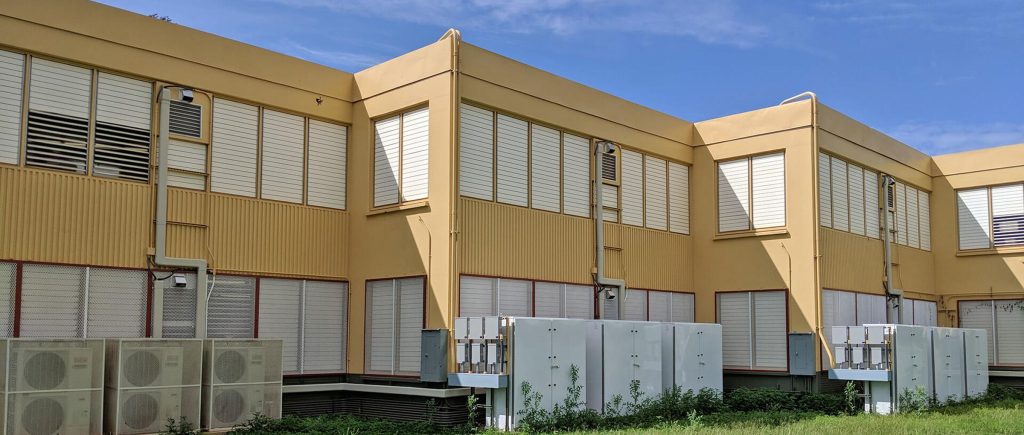
- Stable daytime electricity supply
- Reduced generator dependency
- Safety-enhanced backup system
- Supports future solar rooftop integration
5.2 Urban Public Infrastructure ESS
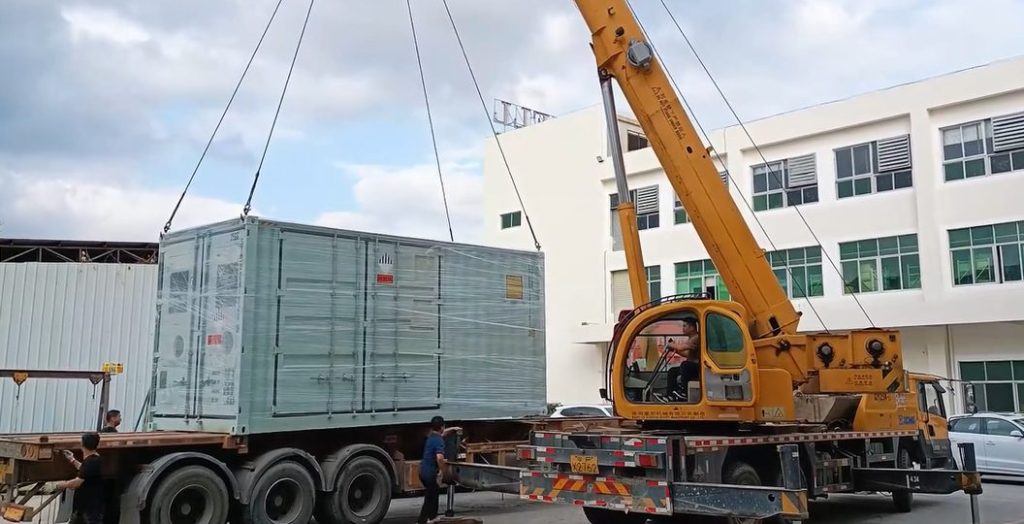
- Supports municipal buildings
- Backup for public lighting systems
- Emergency power stabilization
- Grid peak demand optimization
5.3 Industrial & Contractor Deployment Scenario
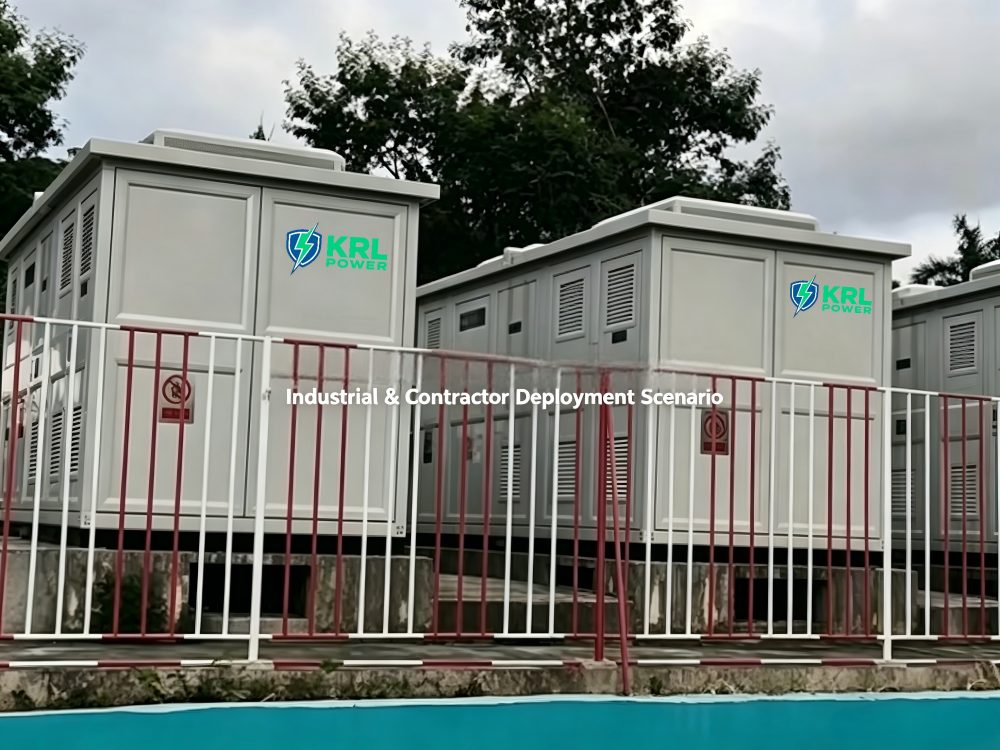
- High-load industrial peak shaving
- Transformer stress reduction
- Diesel replacement potential
- EPC contractor fast deployment model
5.4 KRL Liquid-Cooled ESS Hardware Design
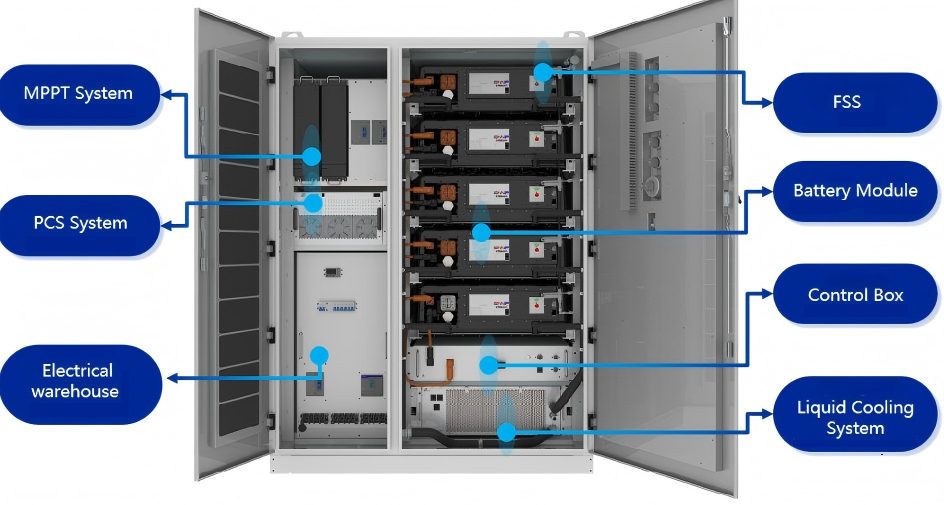
- Advanced liquid cooling system
- Multi-layer BMS protection
- Fire suppression architecture
- Long cycle life optimization
6. Why KRL Solution Fits This Malaysia Project
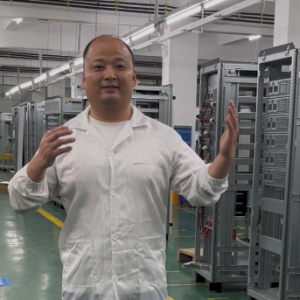
As the R&D director, I will summarize in engineering terms:
6.1 Extreme Safety Architecture
- LFP long-life battery chemistry
- Liquid cooling thermal stability
- Multi-layer active fire protection
- Real-time BMS monitoring
Suitable for government public infrastructure deployment
6.2 High ROI Energy Optimization Engine (EMS)
- Peak shaving automation
- Time-of-use optimization
- Demand charge reduction logic
- Predictive load balancing
Directly improves contractor bidding competitiveness
6.3 Modular Deployment Strategy
- Container + cabinet hybrid architecture
- Fast installation (plug-and-play)
- Scalable expansion for multi-site deployment
Ideal for school + city + industrial mixed topology
6.4 Government Procurement Compatibility
- Transparent system architecture
- Standardized EPC integration
- Long lifecycle support (>10 years)
- Audit-friendly energy reporting
7. Expected Economic Value for Malaysia Project
Based on similar Southeast Asia deployments:
- Container + cabinet hybrid architecture
- Fast installation (plug-and-play)
- Scalable expansion for multi-site deployment
For this project scale (> $357,817 procurement level), ESS becomes a budget optimization asset rather than a cost item.
8. Deployment Workflow (EPC Friendly Model)
- Site load analysis (7–15 days)
- System sizing + simulation
- Government or contractor approval stage
- Container ESS delivery
- On-site installation (3–7 days)
- EMS commissioning + optimization
- Remote monitoring setup
9. Frequently Asked Questions (FAQ)
Q1: Can this ESS handle mixed loads like schools + industrial + public facilities?
Yes. KRL EMS is designed for multi-node load balancing, supporting heterogeneous load profiles within one unified control system.
Q2: Is the system suitable for government bidding projects?
Yes. The system architecture is standardized and compatible with EPC procurement workflows and public infrastructure compliance.
Q3: How fast can deployment be completed?
Typical container ESS deployment can be completed in 7–14 days after delivery, depending on site readiness.
Q4: Can solar PV be added later?
Yes. The system supports future PV integration and hybrid microgrid expansion.
Q5: What is the system lifetime?
Designed lifecycle is 10–15 years depending on operating conditions and cycle usage.
10. Conclusion: Strategic Energy Infrastructure Asset for Malaysia
This Malaysia government-linked project is not simply an energy storage purchase.
It is a multi-layer infrastructure optimization system that combines:
It is a multi-layer infrastructure optimization system that combines:
- Grid stabilization
- Public facility reliability
- Industrial peak shaving
- Future renewable integration
From an engineering perspective, KRL’s C&I ESS platform provides:
A scalable, safe, and economically optimized energy backbone for Malaysia’s next-generation infrastructure development.
A scalable, safe, and economically optimized energy backbone for Malaysia’s next-generation infrastructure development.
