 Skip to content
As a Technical Director specializing in commercial and industrial energy storage systems, I have worked with clients across regions facing unstable power supply.
However, few markets present challenges—and opportunities—as significant as South Africa.
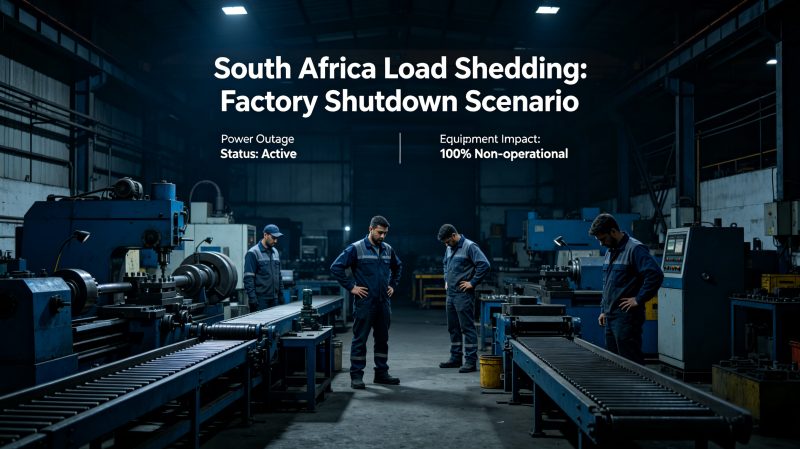
Load shedding is no longer a temporary inconvenience. It has become a structural issue impacting:
However, few markets present challenges—and opportunities—as significant as South Africa.
Load shedding is no longer a temporary inconvenience. It has become a structural issue impacting:
- Manufacturing output
- Retail operations
- Data centers
- Logistics and cold storage
- Mining and industrial production
The key question today is no longer “How do we cope?”
It is:“What is the most cost-effective and reliable long-term solution?”
It is:“What is the most cost-effective and reliable long-term solution?”
1. Why Traditional Backup Solutions Are No Longer Enough
Diesel Generators: High Cost, Low Efficiency
For years, diesel generators have been the default response to load shedding. But businesses are increasingly realizing their limitations:
- Fuel costs are unpredictable and rising
- High maintenance requirements
- Noise and environmental concerns
- Operational inefficiency under frequent outages
Over time, diesel becomes not just a backup—but a financial burden.
2. Energy Storage: The Smarter Load Shedding Solution
A modern Commercial & Industrial Energy Storage System (C&I ESS) provides a fundamentally different approach:
Instead of reacting to outages, it proactively manages energy.
Core Benefits:
Instead of reacting to outages, it proactively manages energy.
Core Benefits:
- Instant backup during load shedding
- Reduced reliance on diesel generators
- Lower electricity costs through peak shaving
- Stable and uninterrupted operations
- Long-term ROI instead of ongoing fuel expenses
3. How Energy Storage Works in Load Shedding Scenarios
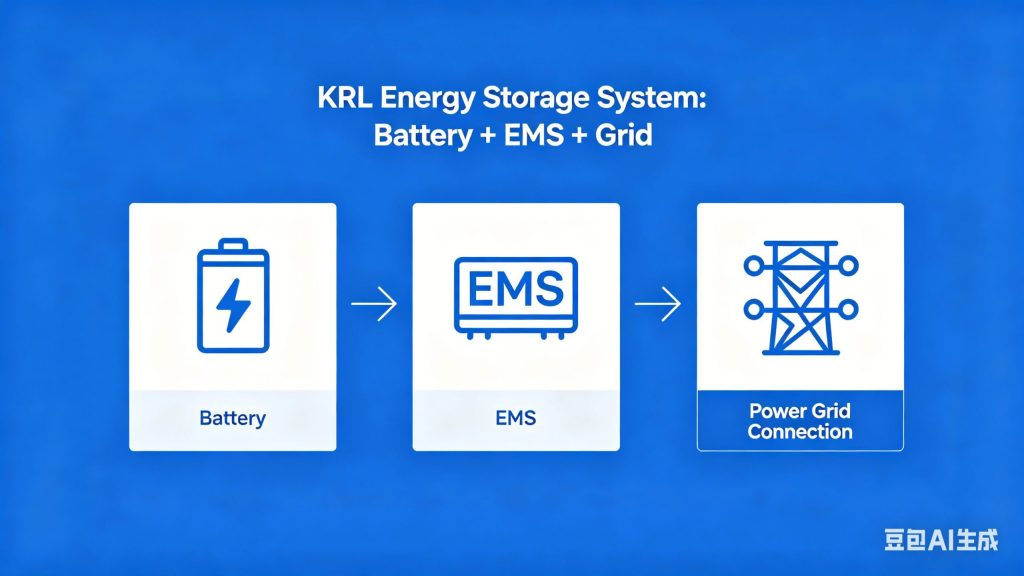
A typical solution integrates:
- Grid power
- Battery storage
- Optional solar PV
- Intelligent EMS (Energy Management System)
During Normal Operation:
- System charges batteries during off-peak hours
During Load Shedding:
- Battery instantly supplies power
- No downtime, no disruption
With Solar Integration:
- Daytime energy becomes self-generated
- Further reduces grid dependency
4. Real Business Case: Cost Comparison
Let’s compare two scenarios for a mid-size factory:
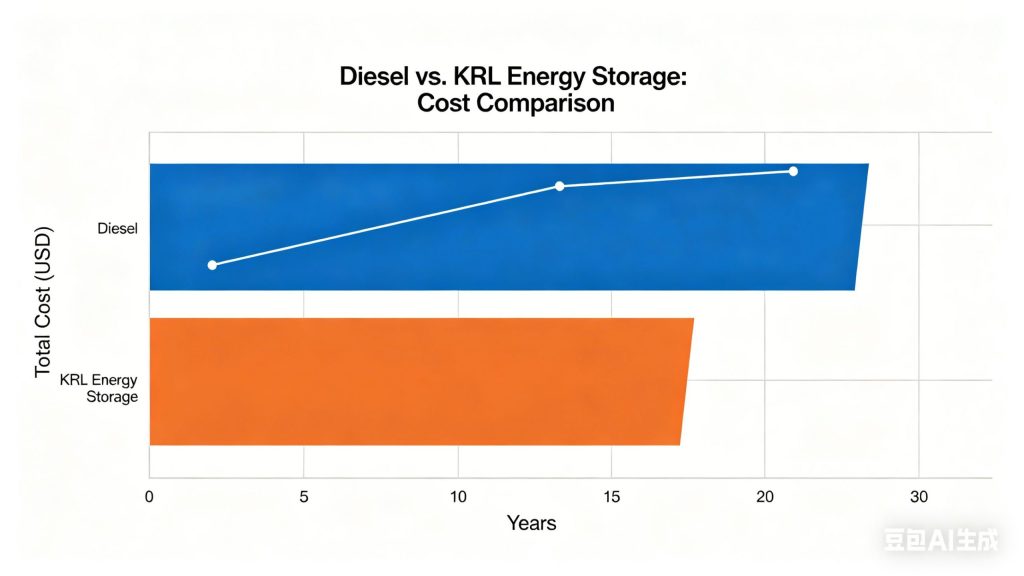
Option 1: Diesel Generator
- Annual fuel cost: $80,000+
- Maintenance: High
- Lifespan: Limited
- ROI: None
Option 2: Energy Storage System (215kWh Example)
- Initial investment: $90,000–$130,000
- Annual savings: $30,000–$60,000
- Payback period: 2–4 years
- Lifespan: 10+ years
Conclusion: Energy storage converts energy spending into long-term investment.
5. Why KRL Energy Storage Stands Out
KRL Power is rapidly emerging as a high-performance leader in the global energy storage sector, recognized as a High-Quality Energy Storage Enterprise 2025.
For South Africa’s demanding conditions, system reliability is critical.
For South Africa’s demanding conditions, system reliability is critical.
Extreme Safety Architecture
- Multi-layer fire protection
- Advanced liquid cooling system
- High-stability lithium battery cells
Ensures safe operation even under high temperatures and unstable grid conditions.
Superior Cost Optimization
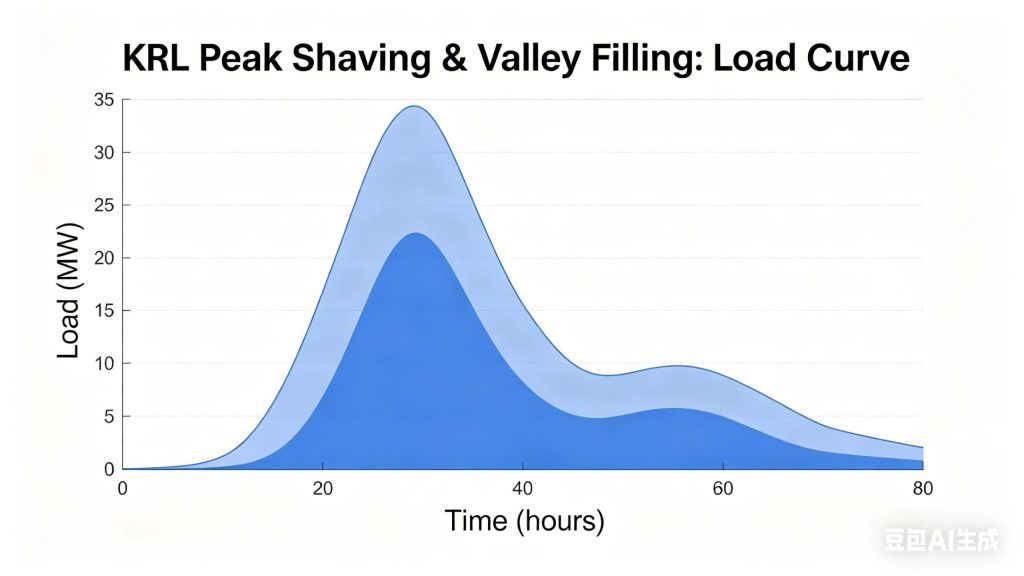
KRL’s self-developed EMS enables:
- Peak shaving & valley filling
- Intelligent energy dispatch
- Dynamic system optimization
Result: Maximum savings and faster ROI
Smart & Scalable Design
- All-in-One modular system
- Plug-and-play deployment
- Easy expansion as demand grows
Ideal for:
- Factories
- Commercial buildings
- Industrial parks
- Microgrid applications
AI Monitoring & Predictive Maintenance
- Real-time system diagnostics
- Remote monitoring
- Reduced downtime
6. How to Choose the Right Solution
Not all energy storage systems are equal.
To make the right decision, businesses must consider:
To make the right decision, businesses must consider:
Load Profile
When and how much power is used
Outage Frequency
Number and duration of load shedding events
Energy Costs
Electricity tariffs vs diesel costss
Expansion Needs
Future scalability
This is where most projects fail—
poor system design leads to poor ROI.
7. Recommended System Strategy for South Africa
Based on real deployment experience:
Best Practice Configuration:
- Battery storage (core)
- Grid connection
- Optional solar integration
- Intelligent EMS control
Optional Add-on:
- Diesel generator (as tertiary backup only)
Goal: Minimize diesel usage, not rely on it
Get a Customized Load Shedding Solution
Every business in South Africa faces different load shedding patterns.
At KRL, we provide:
At KRL, we provide:
- Custom system design
- ROI analysis
- Load profile optimization
- Turnkey ESS solutions
FAQ
What is the best solution for load shedding in South Africa?
Energy storage systems are the most reliable long-term solution, providing instant backup power and reducing dependence on diesel generators.
Can energy storage completely replace diesel generators?
In most cases, yes. However, some businesses use diesel as a secondary backup for extreme situations.
How much does an energy storage system cost in South Africa?
Costs vary depending on system size, but typical commercial systems range from $80,000 to $300,000.
How long can a battery system power a business during load shedding?
It depends on system capacity and load demand, typically ranging from 2 to 8 hours.
Is solar necessary for load shedding solutions?
No, but combining solar with storage significantly improves ROI and energy independence.
