 Skip to content
Introduction: Why System Design Determines ROI
- Lower-than-expected savings
- Poor system performance
- Unexpected downtime risks
- Reduce electricity costs by 20–40%
- Deliver ROI within 3–6 years
- Ensure uninterrupted operations
Step 1: Define Your Business Objective First
- Reduce peak demand charges
- Ensure backup power reliability
- Integrate solar energy
- Optimize energy usage
Step 2: Analyze Load & Energy Data
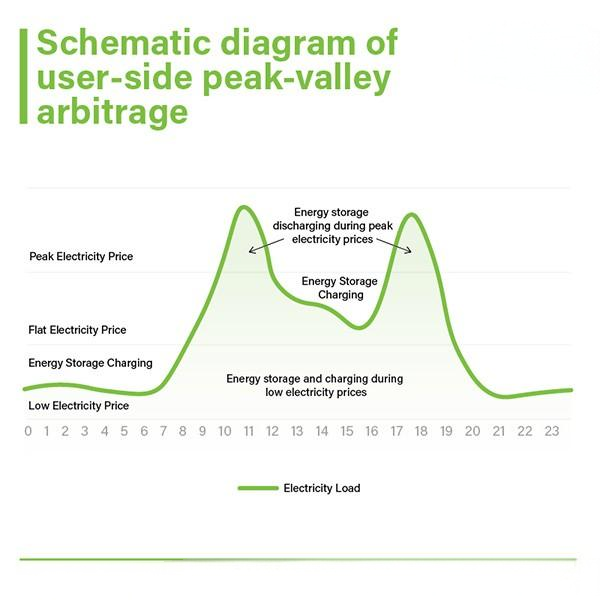
Accurate data determines system success.
Key Inputs
- Load profile (15–30 days minimum)
- Peak demand (kW)
- Energy consumption (kWh)
- Tariff structure
Without this step, system sizing becomes guesswork.
Step 3: Optimize System Sizing (kW vs kWh)
System sizing directly affects profitability.
Core Principle
- kW = how much power you can control
- kWh = how long you can sustain it
Example
A factory with high demand peaks may need:
- High kW (power-focused system)
- Moderate kWh (short-duration shaving)
KRL Optimization Approach
KRL Power Energy uses real project data modeling to balance:
- Performance
- Cost
- ROI
Step 4: Select the Right System Architecture
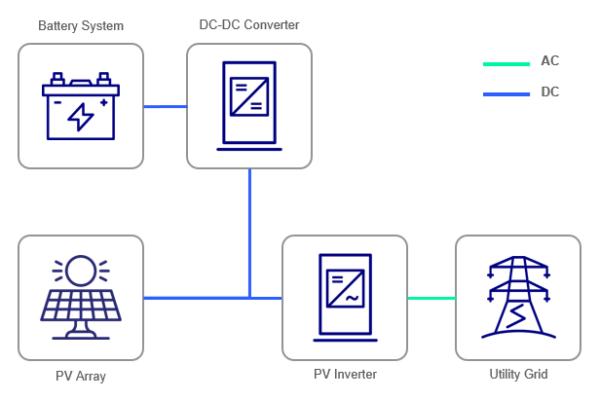
DC-Coupled (High Efficiency)
- Up to 98.5% efficiency
- Best for new installations
- Direct solar integration
AC-Coupled (Flexible Retrofit)
- Easy integration
- Lower upgrade complexity
- Ideal for existing systems
Choosing incorrectly can reduce ROI by 10–20%
Step 5: Design for Safety First
Safety is not optional—it is the foundation.
Critical Design Elements
- Thermal management
- Fire protection system
- Battery monitoring
KRL Safety Advantage
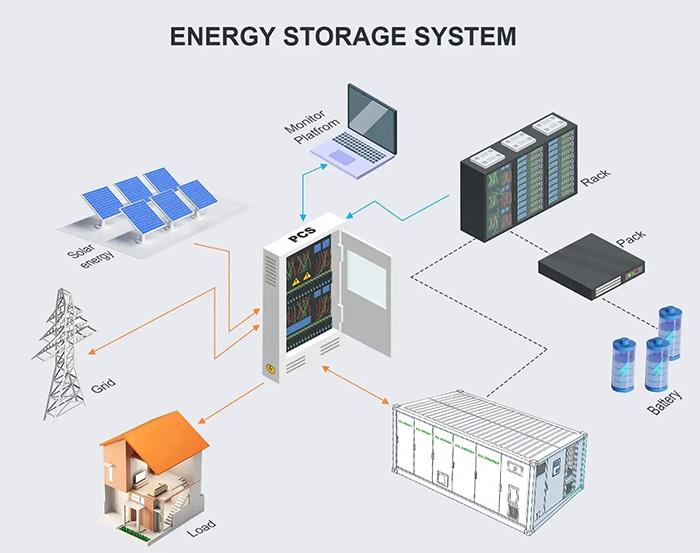
KRL Power Energy integrates:
- Liquid cooling technology
- Zero-accident safety architecture
- Intelligent BMS
Designed for long-term industrial reliability
Step 6: Implement Smart EMS Control
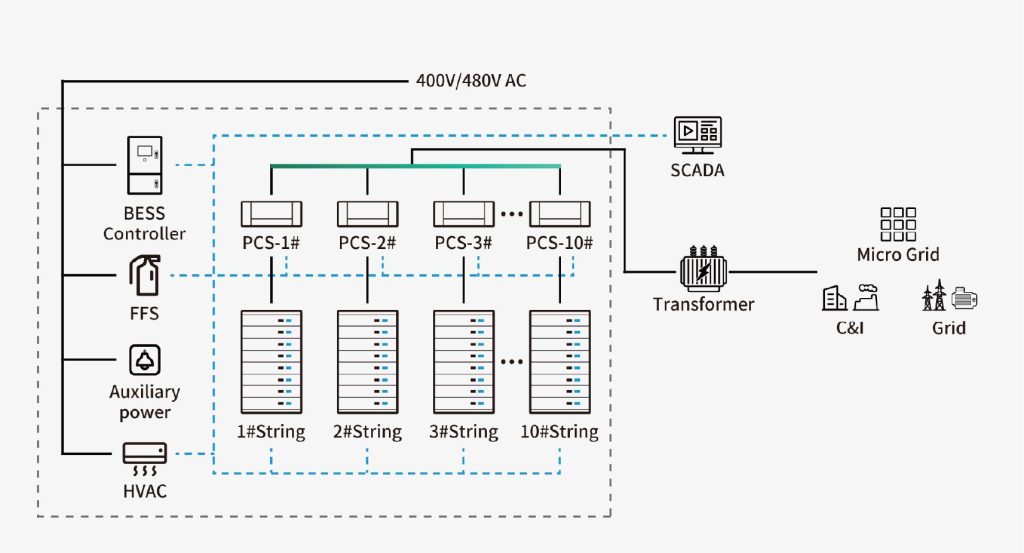
Why EMS Matters
Without EMS, energy storage becomes a static asset.
With EMS:
- Real-time optimization
- Automated peak shaving
- Intelligent load shifting
EMS determines how much money your system actually saves.
Step 7: Deployment & Integration Strategy
Deployment Model
- Modular design
- Plug-and-play installation
- Fast commissioning
KRL Strength
- Integrated system design
- Reduced installation time
- Lower project risk
Step 8: ROI Optimization Strategy
Revenue Sources
- Peak shaving
- Demand charge reduction
- Energy arbitrage
Typical ROI
3–6 years (depending on region and tariff)
Step 9: Choose the Right Partner
Not all suppliers are equal.
Why KRL Power Energy
- Source factory (OEM/ODM)
- <10ms UPS-grade switching
- 98.5% DC efficiency
- Liquid cooling system
- Proven global projects
Positioned as a high-performance BESS provider
Frequently Asked Questions (FAQ)
How do I determine the right size for a commercial energy storage system?
- Peak demand analysis (kW requirement)
- Energy consumption patterns (kWh capacity)
- Utility pricing (time-of-use rates)
KRL Power Energy provides detailed load analysis and simulation to ensure accurate system sizing.
What is the typical ROI for a C&I energy storage system?
- ROI: 3–6 years
- Electricity cost reduction: 20–40%
- Peak shaving
- Energy arbitrage
- Demand charge reduction
What makes DC-coupled systems more efficient than AC-coupled systems?
- Higher efficiency (up to 98.5%)
- Better solar integration
- Lower system losses
Can the system provide true UPS-level backup power?
- <10ms switching time
- Continuous power supply
- Protection for critical loads
Why is liquid cooling important in energy storage systems?
- Stable operating temperature
- Longer battery lifespan
- Improved safety
How safe are modern energy storage systems?
- Multi-layer fire protection
- Intelligent BMS monitoring
- Thermal management systems
Can energy storage systems be integrated with existing solar installations?
- Easy integration
- Minimal system disruption
- Flexible expansion
What are the key factors when choosing an energy storage supplier?
- Technical capability
- Safety design
- System efficiency
- Project experience
- After-sales support
