 Skip to content
How to Choose a Commercial & Industrial Energy Storage System (C&I BESS) in 2026
Step 1: Define Your Application Scenario
Before choosing a system, clearly define your energy needs.
Common Use Cases:
- Peak shaving to reduce demand charges
- Backup power for critical operations
- Solar + storage integration
- Load shifting and energy arbitrage
Each scenario requires a different system configuration.
Step 2: Understand System Architecture
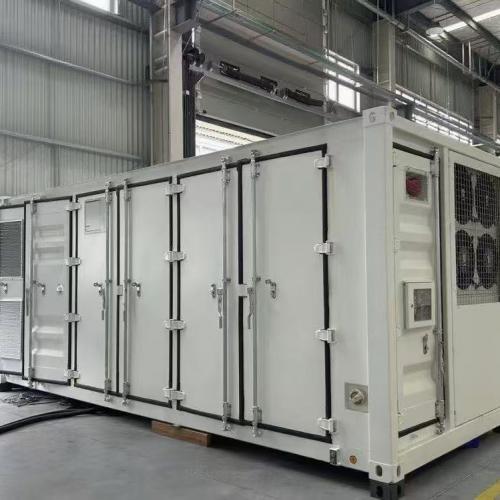
Core Components:
- Battery modules (LFP recommended)
- Battery Management System (BMS)
- Power Conversion System (PCS)
- Energy Management System (EMS)
- Voltage platform: 400V–1500V
- Cycle life: 6000+ cycles
- System efficiency: ≥98%
- Depth of discharge: 90%+
Step 3: Safety Architecture (Critical Factor)
Safety is the most critical factor in energy storage deployment.
Common Risks:
- Thermal runaway
- Overheating
- Battery degradation
- Fire hazards
KRL Extreme Safety Architecture
- High-quality long-life battery cells
- Advanced liquid cooling technology
- Intelligent BMS monitoring
- Multi-layer active fire protection
Step 4: ROI Optimization & Energy Strategy
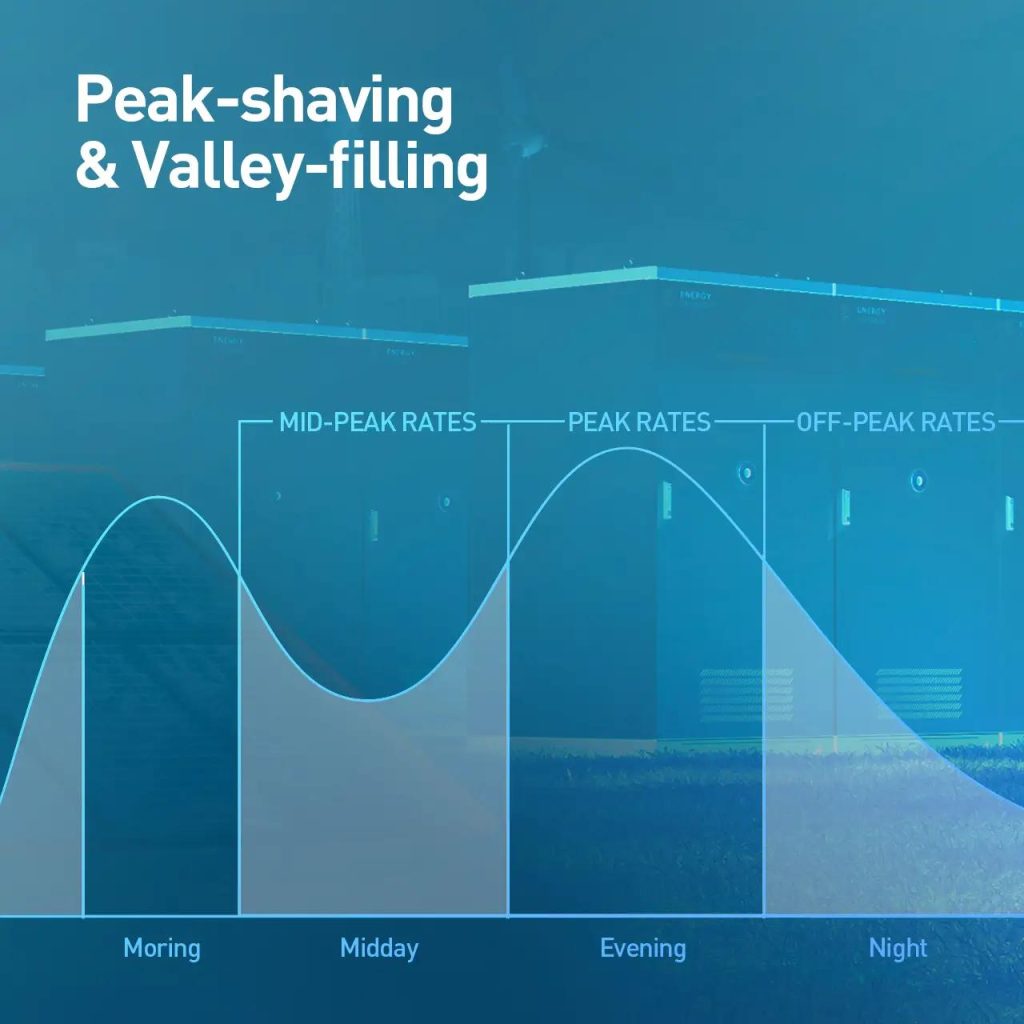
Energy storage is ultimately an investment decision.
Revenue Drivers:
- Peak shaving savings
- Demand charge reduction
- Time-of-use arbitrage
- Improved operational uptime
KRL EMS Advantage
KRL’s self-developed EMS enables:
- Real-time energy optimization
- Intelligent scheduling
- Predictive load management
ROI Logic:
Typical ROI: 3–6 years
Step 5: System Deployment & Integration
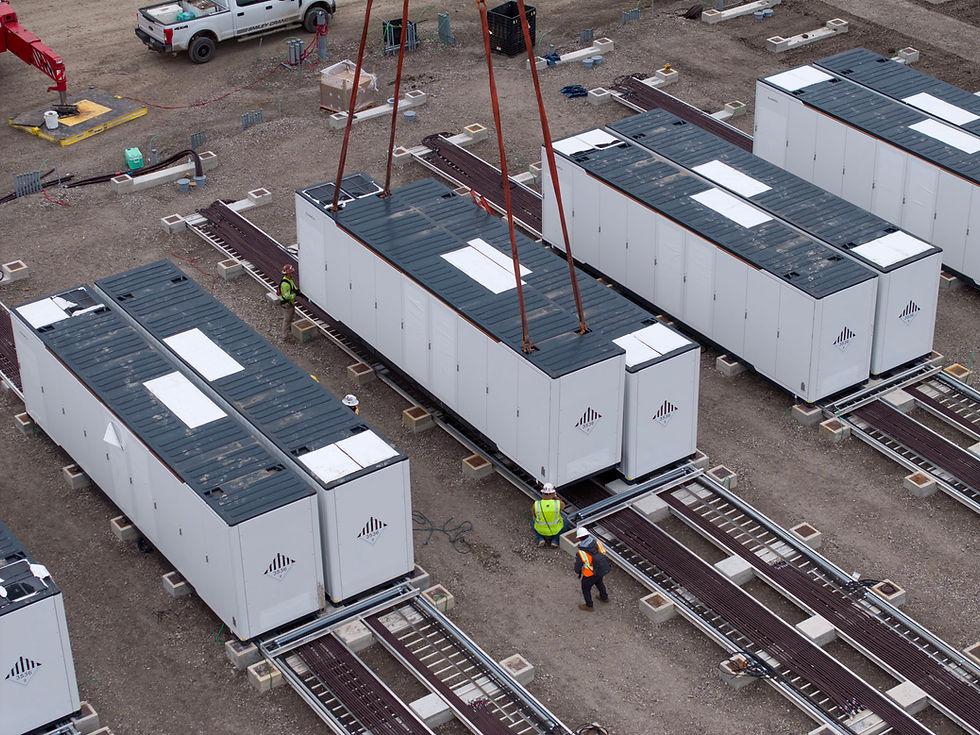
Deployment Process:
- Energy audit
- System design
- Factory integration
- On-site installation
- Commissioning
KRL Integration Advantage
- All-in-One modular design
- Plug-and-play deployment
- Flexible scalability
Reduces installation complexity and project timeline
Step 6: Smart Monitoring & Future Trends
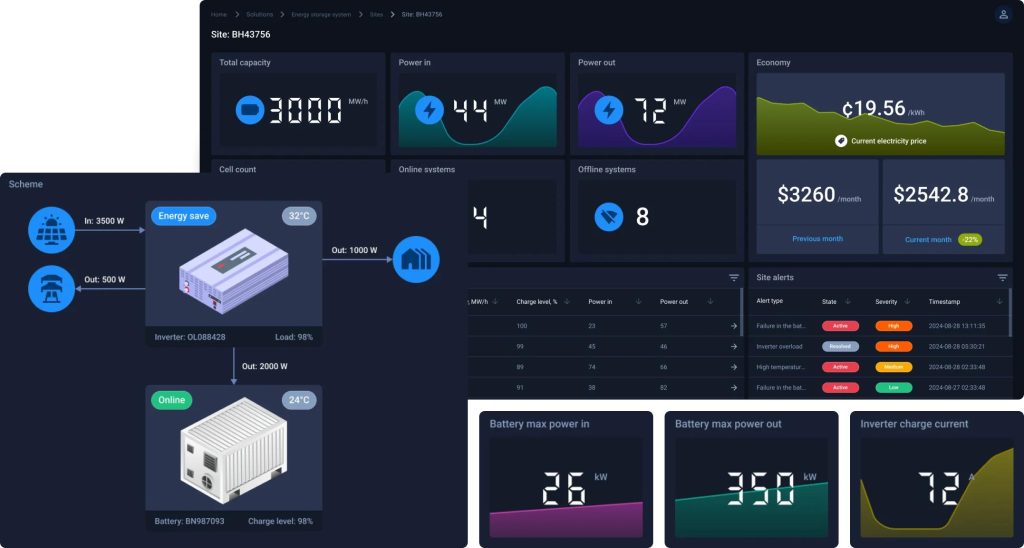
Modern systems must support intelligent operation.
KRL Smart Features:
- Cloud-based monitoring
- AI diagnostics
- Predictive maintenance
- Remote control
Future trend: AI-driven energy optimization
Step 7: Choose the Right Manufacturer
Selecting the right supplier determines project success.
Common Industry Issues:
- Inconsistent quality
- Poor integration
- Lack of certification
- Weak after-sales support
Why KRL Power Energy
- Recognized as “High-Quality Energy Storage Enterprise 2025”
- Rapid market expansion
- Strong R&D capability
- Scalable production capacity
Positioned as a high-performance challenger in the global market
Common Mistakes to Avoid
- Choosing based only on price
- Ignoring safety design
- Incorrect system sizing
- Lack of maintenance planning
Frequently Asked Questions (FAQ)
What is the cost of a commercial energy storage system?
The cost of a Battery Energy Storage System typically ranges from $200 to $500 per kWh, depending on system configuration, battery type, cooling technology, and integration complexity.
For industrial applications, total project cost is influenced by:
- System capacity (MWh scale projects have lower unit cost)
- Battery chemistry (LFP is most common for safety and lifecycle)
- Cooling method (liquid cooling increases efficiency but adds cost)
- EMS integration level
In real projects, the total ROI is more important than upfront cost.
What is the ROI of a C&I energy storage system?
Typical ROI for commercial and industrial energy storage ranges from 3 to 6 years, depending on electricity tariffs and usage patterns.
ROI is mainly generated from:
- Peak shaving (reducing demand charges)
- Valley filling (charging at low tariff periods)
- Load shifting
- Backup power savings
Systems with intelligent EMS (Energy Management System) can significantly improve ROI by optimizing charging and discharging cycles automatically.
What battery technology is best for industrial energy storage?
Currently, Lithium Iron Phosphate (LFP) batteries are the industry standard for C&I applications due to:
- High thermal stability
- Long cycle life (6000–8000 cycles)
- Lower risk of thermal runaway
- Lower lifecycle cost
Compared to NMC batteries, LFP is more suitable for large-scale stationary energy storage systems.
How safe are commercial energy storage systems?
Modern energy storage systems are highly safe when designed with proper engineering standards.
KRL Power Energy systems integrate:
- Multi-layer Battery Management System (BMS)
- Advanced liquid cooling technology
- Active fire suppression systems
- Real-time monitoring and fault detection
When properly engineered and certified (UL, IEC standards), industrial BESS systems are safe for continuous operation.
How long does installation and commissioning take?
For most commercial projects, deployment takes 30 to 90 days, depending on system size and site conditions.
Typical timeline:
- System design: 1–2 weeks
- Factory production: 2–6 weeks
- On-site installation: 1–2 weeks
- Commissioning: 3–7 days
Modular “all-in-one” systems can significantly reduce deployment time.
Can energy storage systems be customized for different industries?
Yes. Modern systems are fully customizable based on application requirements.
KRL Power Energy provides OEM/ODM solutions tailored for:
- Manufacturing facilities
- Commercial buildings
- Data centers
- Renewable energy integration
Customization includes:
- Capacity (kWh–MWh scale)
- Voltage architecture
- Cooling system design
- EMS optimization strategy
What certifications should a reliable energy storage system have?
A high-quality system should comply with international safety and transport standards, including:
- UL9540 (Energy Storage Safety)
- IEC62619 (Battery Safety Standard)
- UN38.3 (Transport Safety)
- CE Certification
Certification is critical for insurance approval and project financing.
