 Skip to content
Battery Storage for Business South Africa: A Smart Investment for Energy Security and Cost Savings
South Africa’s energy landscape has fundamentally changed over the past few years.
For many businesses, electricity instability is no longer an occasional disruption—it has become a daily operational challenge.
As a Technical Director working in the commercial and industrial (C&I) energy storage sector, I’ve seen how unreliable grid supply can impact:
For many businesses, electricity instability is no longer an occasional disruption—it has become a daily operational challenge.
As a Technical Director working in the commercial and industrial (C&I) energy storage sector, I’ve seen how unreliable grid supply can impact:
- Manufacturing productivity
- Retail operations
- Data centers
- Warehousing and logistics
- Hospitality businesses
- Mining and industrial facilities
The businesses that are adapting successfully today are not simply buying backup power.
They are investing in intelligent battery storage systems that improve operational resilience, reduce energy costs, and create long-term financial returns.
This article explains how businesses in South Africa can evaluate battery storage solutions properly and avoid costly mistakes.
They are investing in intelligent battery storage systems that improve operational resilience, reduce energy costs, and create long-term financial returns.
This article explains how businesses in South Africa can evaluate battery storage solutions properly and avoid costly mistakes.
Battery Storage for Business South Africa: A Smart Investment for Energy Security and Cost Savings
The traditional approach to power outages has been diesel generators.
However, rising fuel prices, maintenance costs, and increasing operational demands are making diesel less attractive.
Businesses are now looking for solutions that can:
However, rising fuel prices, maintenance costs, and increasing operational demands are making diesel less attractive.
Businesses are now looking for solutions that can:
- Deliver instant backup power
- Reduce operational downtime
- Lower electricity costs
- Improve energy independence
- Reduce dependence on diesel fuel
- Provide long-term ROI
This is where modern commercial battery storage systems provide significant value.
What Is a Commercial Battery Storage System?
A Battery Energy Storage System (BESS) stores electricity and automatically supplies power when needed.
For commercial applications, battery storage systems are commonly used for:
For commercial applications, battery storage systems are commonly used for:
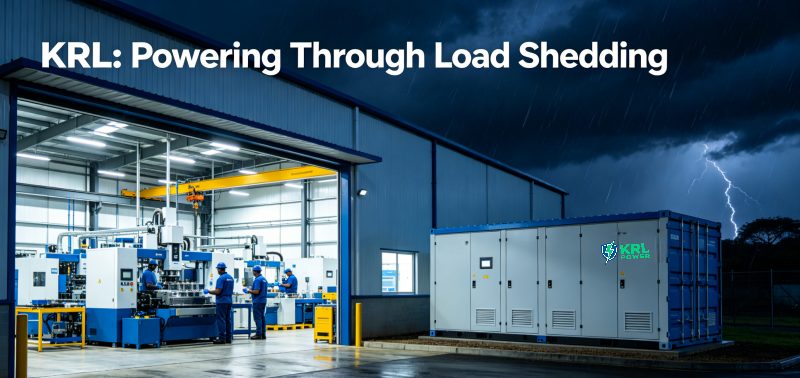
- Backup power during load shedding
- Peak shaving and load shifting
- Solar energy storage
- Electricity bill reduction
- Power quality stabilization
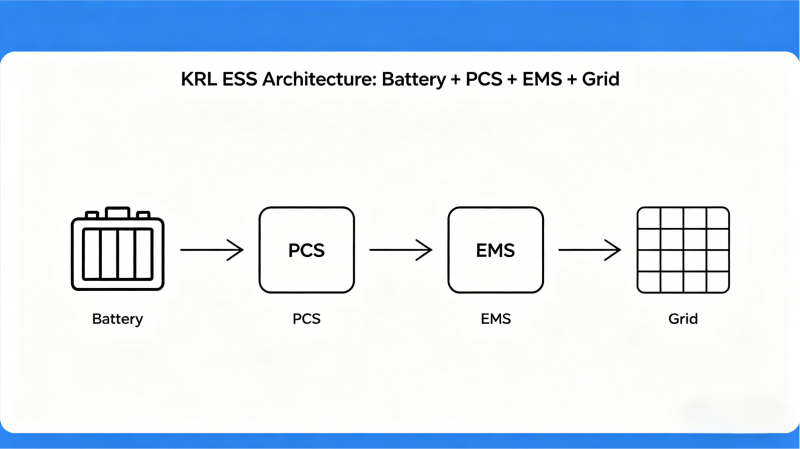
Modern systems combine:
- Lithium battery technology
- Intelligent EMS (Energy Management System)
- Battery Management System (BMS)
- PCS (Power Conversion System)
- Smart cloud monitoring
Together, these technologies allow businesses to actively manage energy instead of passively reacting to outages.
The Real Financial Advantage: ROI Instead of Expense
One of the biggest misconceptions about battery storage is that it is simply a backup expense.
In reality, properly designed systems generate financial returns.
In reality, properly designed systems generate financial returns.
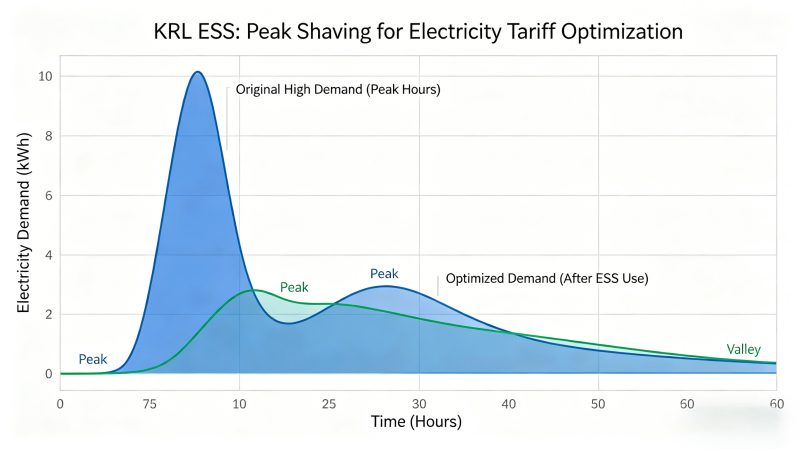
1. Peak Shaving & Valley Filling
Businesses can charge batteries during low electricity tariff periods and discharge during expensive peak hours.
This reduces overall electricity bills significantly.
For many South African businesses, peak shaving alone can reduce electricity costs by:
This reduces overall electricity bills significantly.
For many South African businesses, peak shaving alone can reduce electricity costs by:
- 20% to 40% annually
2. Reduced Diesel Generator Usage
Diesel generators consume fuel continuously during outages.
Battery systems:
Battery systems:
- Operate silently
- Require less maintenance
- Respond instantly
- Have much lower operating costs
Many businesses now use diesel generators only as emergency tertiary backup.
3. Reduced Operational Downtime
Even short interruptions can cause:
- Production losses
- Equipment shutdowns
- IT failures
- Refrigeration losses
Battery storage provides uninterrupted power continuity.
Why System Design Matters More Than Battery Size
Many businesses focus only on battery capacity.
This is a mistake.
A successful ESS project depends on:
This is a mistake.
A successful ESS project depends on:
- Load analysis
- Electricity pricing structure
- Discharge strategy
- Cooling technology
- EMS intelligence
- Scalability planning
Poorly designed systems often:
- Overspend on capacity
- Underperform financially
- Experience thermal issues
- Deliver disappointing ROI
Why KRL Energy Storage Systems Are Built for Demanding Markets
KRL Power has rapidly emerged as one of the most dynamic players in the global energy storage market, recently recognized as a “High-Quality Energy Storage Enterprise 2025.”
Our focus is not simply battery manufacturing—it is delivering intelligent, high-performance C&I energy storage solutions designed for long-term reliability and profitability.
1. Extreme Safety Architecture
Safety is the foundation of any successful ESS project.
KRL systems integrate:
KRL systems integrate:
- High-quality long-life lithium battery cells
- Advanced liquid cooling technology
- Intelligent BMS protection
- Multi-layer active fire protection
This architecture ensures stable operation under:
- High temperatures
- Unstable grids
- Continuous cycling conditions
Especially important for South Africa’s operating environment.
2. Superior Cost Optimization Through EMS
KRL’s self-developed EMS enables:
- Dynamic peak shaving
- Valley filling optimization
- Intelligent charge/discharge scheduling
- Dynamic capacity management
The result:
- Faster ROI
- Reduced electricity expenses
- Improved energy efficiency
3. Highly Integrated All-in-One Design
Traditional systems often require complicated installation.
KRL’s modular All-in-One architecture offers:
KRL’s modular All-in-One architecture offers:
- Plug-and-play deployment
- Faster installation
- Easier maintenance
- Flexible scalability
Ideal for:
- Factories
- Warehouses
- Commercial buildings
- Industrial parks
- Microgrid projects
4. AI Monitoring & Predictive Maintenance
KRL systems support:
- Cloud-based monitoring
- Real-time diagnostics
- Predictive maintenance alerts
This reduces downtime and improves long-term operational stability.
How to Choose the Right Battery Storage System for Your Business
Before selecting a system, businesses should evaluate:
Load Profile
When does your facility consume the most electricity?
Backup Duration
How long do outages typically last?
Expansion Plans
Will energy demand increase in the future?
Solar Integration
Will the system eventually integrate with PV?
ROI Expectations
What payback period is acceptable?
Typical Applications in South Africa
Battery storage is rapidly expanding across sectors including:
- Manufacturing plants
- Commercial buildings
- Retail centers
- Data centers
- Hotels and resorts
- Agricultural operations
- Mining facilities
Each application requires different optimization strategies.
Final Recommendation from an ESS Technical Director
Businesses in South Africa can no longer afford to treat energy instability as a temporary problem.
Battery storage is now:
Battery storage is now:
- A resilience strategy
- A financial optimization tool
- A competitive advantage
The right ESS solution should not only keep your operations running—it should improve profitability over the next 10 years.
That requires:
That requires:
- Proper engineering
- Intelligent EMS optimization
- Long-life battery technology
- Reliable system integration
Final Recommendation from an ESS Technical Director
At KRL, we provide:
- Commercial ESS system design
- ROI analysis
- Load profile optimization
- Turnkey battery storage solutions
Contact our team today for a customized energy storage proposal tailored to your business needs in South Africa.
FAQ
What is the best battery storage solution for businesses in South Africa?
Commercial lithium battery energy storage systems with intelligent EMS are currently the most effective solution for reducing load shedding risks and lowering electricity costs.
How long can a commercial battery system provide backup power?
Depending on system size and load demand, backup duration typically ranges from 2 to 8 hours.
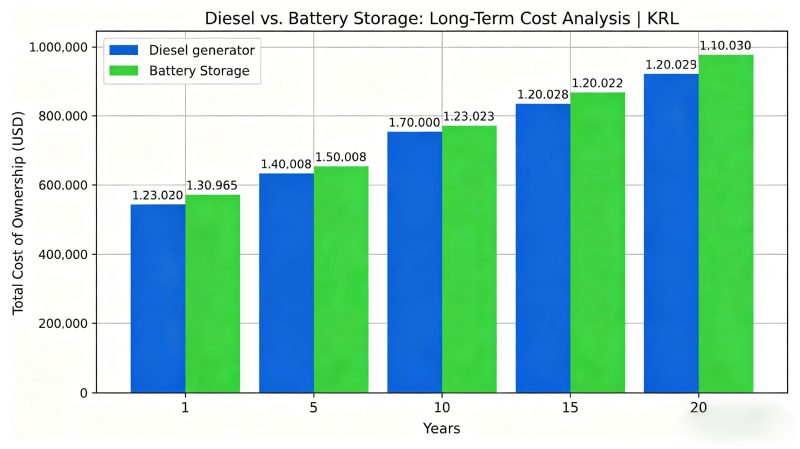
Is battery storage cheaper than diesel generators?
Over the long term, yes. Battery systems usually provide lower operational costs, less maintenance, and better ROI.
Can battery storage work with solar panels?
Yes. Solar + storage integration significantly improves energy independence and long-term savings.
What industries benefit most from battery storage?
Manufacturing, logistics, retail, mining, agriculture, and commercial buildings are among the biggest beneficiaries.
How long do commercial battery systems last?
High-quality lithium ESS systems typically operate for 10+ years with proper thermal management and intelligent EMS optimization.
