Reliable Industrial ESS for South Africa Factory Microgrid and Solar Retrofit Projects
South Africa factory microgrid energy storage solutions are rapidly becoming one of the most important investments for manufacturers facing unstable grid conditions, rising electricity tariffs, and increasing pressure to improve energy efficiency.
For factories operating in South Africa, traditional grid-only power systems are no longer sufficient for modern industrial operations.
Recently, KRL Power received an inquiry from a South African industrial customer planning a factory microgrid upgrade project involving:
For factories operating in South Africa, traditional grid-only power systems are no longer sufficient for modern industrial operations.
Recently, KRL Power received an inquiry from a South African industrial customer planning a factory microgrid upgrade project involving:
- Existing 200kVA grid-connected solar system
- 100kVA diesel generator integration
- Industrial ESS deployment
- Peak shaving optimization
- Intelligent EMS control
- Seamless automatic grid switching
The customer required a highly integrated commercial & industrial energy storage solution capable of improving power reliability while maximizing the value of existing solar infrastructure.
This project reflects a growing trend across South Africa’s manufacturing sector, where factories are increasingly deploying solar + storage microgrid systems to reduce electricity costs and improve operational resilience.
This project reflects a growing trend across South Africa’s manufacturing sector, where factories are increasingly deploying solar + storage microgrid systems to reduce electricity costs and improve operational resilience.
Why South African Factories Are Upgrading to Microgrid ESS Systems
South Africa’s industrial sector continues facing several major energy challenges:
Unstable Grid Supply
Load shedding and voltage fluctuations disrupt production schedules.
Rising Electricity Costs
Industrial electricity tariffs continue increasing year after year.
Underutilized Solar Assets
Many factories already installed solar systems but lack energy storage optimization.
High Diesel Dependence
Generators alone create long-term fuel and maintenance expenses.
Production Continuity Risks
Unexpected outages can damage production efficiency and equipment reliability.
Because of these challenges, more manufacturers are transitioning toward intelligent industrial microgrid systems that combine:
Because of these challenges, more manufacturers are transitioning toward intelligent industrial microgrid systems that combine:
- Solar generation
- Industrial battery storage
- Grid connection
- Diesel backup
- Smart EMS control
This hybrid architecture creates a far more stable and efficient industrial energy ecosystem.
KRL Power’s Recommended Factory Microgrid ESS Solution
Intelligent Industrial Solar + Storage Integration
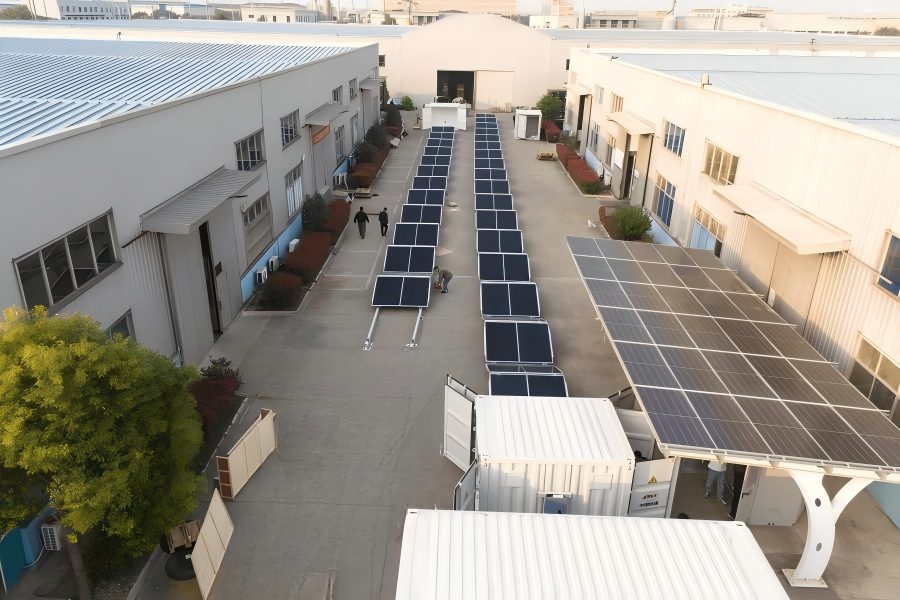
The proposed solution focuses on:
- Peak shaving optimization
- Solar energy utilization
- Seamless power switching
- Factory load stabilization
- Intelligent energy scheduling
- Flexible future expansion
Recommended System Architecture
Existing Infrastructure
- 200kVA grid-connected solar system
- 100kVA diesel generator
Proposed ESS Configuration
KRL-B241-125H3-120M1-HX1R5
System Specifications
- 125kW PCS
- 241kWh Battery Capacity
- Liquid-cooled architecture
- Intelligent EMS platform
- Integrated BMS protection
- Cloud monitoring support
Application Scenarios
- Factory microgrid retrofits
- Manufacturing solar storage projects
- Industrial peak shaving
- Backup power support
- Smart energy management systems
How Industrial ESS Improves Factory Energy Performance
Many factories initially install solar systems expecting significant electricity savings.
However, without battery storage and intelligent EMS control, solar systems alone often cannot fully solve industrial energy problems.
KRL Power’s industrial ESS platform enables factories to:
However, without battery storage and intelligent EMS control, solar systems alone often cannot fully solve industrial energy problems.
KRL Power’s industrial ESS platform enables factories to:
Store Excess Solar Energy
Unused daytime solar power is stored instead of wasted.
Reduce Peak Electricity Charges
Battery discharge during peak-rate periods lowers electricity bills.
Improve Power Stability
The ESS smooths voltage fluctuations affecting factory equipment.
Reduce Generator Runtime
Battery storage minimizes diesel generator dependence.
Achieve Seamless Switching
The system automatically transitions between grid, solar, ESS, and generator power sources.
For South African factories, these operational improvements often generate substantial long-term cost savings.
Why Intelligent EMS Is the Core of Modern Factory Microgrids
Battery capacity alone does not determine industrial microgrid performance.
The intelligence behind the system is equally important.
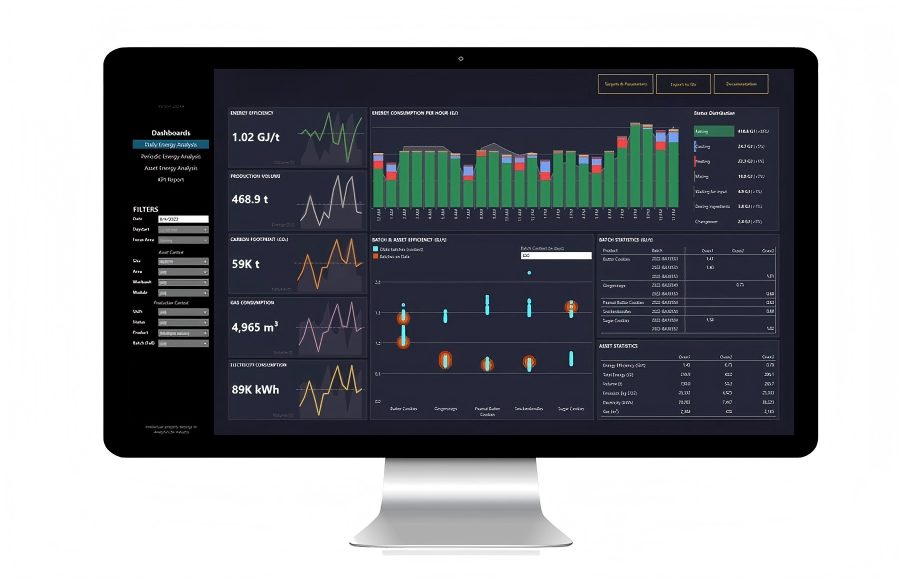
KRL Power’s self-developed EMS platform provides:
The intelligence behind the system is equally important.
KRL Power’s self-developed EMS platform provides:
Automatic Energy Scheduling
Dynamically prioritizes solar, battery, generator, or grid power.
Peak Shaving Optimization
Reduces expensive peak-demand electricity charges.
Smart Generator Coordination
Optimizes generator runtime for fuel efficiency.
Real-Time Monitoring
Provides cloud-based diagnostics and operational visibility.
Seamless Automatic Switching
Ensures stable production continuity during power transitions.
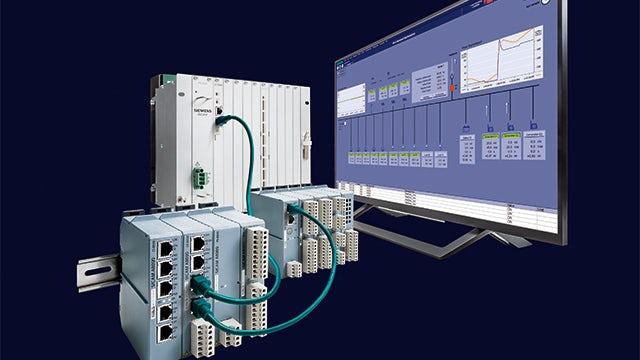
For factories operating sensitive industrial equipment, seamless switching capability is especially critical to prevent production interruptions.
Why Liquid Cooling Matters in Industrial ESS Applications
Industrial factories often operate under continuous heavy-load conditions.
Traditional air-cooled battery systems may experience:
Traditional air-cooled battery systems may experience:
- Thermal inconsistency
- Faster battery degradation
- Reduced discharge efficiency
- Increased maintenance frequency
KRL Power’s liquid-cooled architecture delivers several important advantages:
Better Thermal Stability
Improves battery consistency during high-load operation.
Longer Battery Lifespan
Reduces heat-related degradation.
Improved Operational Safety
Maintains controlled operating temperatures.
Higher System Reliability
Critical for continuous industrial production environments.
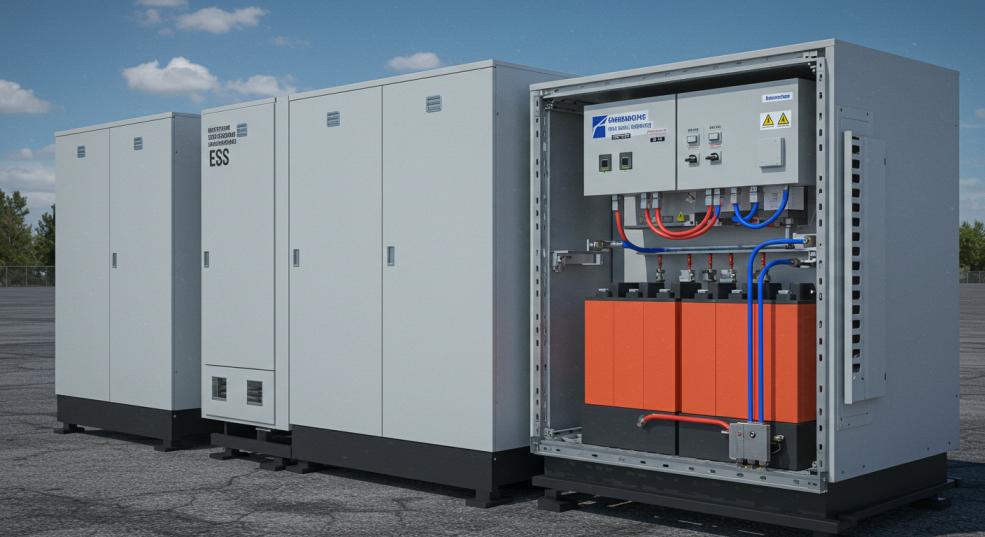
For manufacturing facilities, thermal stability directly affects long-term ROI and operational reliability.
Industrial Energy Storage Is Becoming Essential in South Africa
South Africa’s manufacturing sector is rapidly accelerating investment in industrial ESS because of:
- Persistent load shedding
- Rising electricity tariffs
- Increasing solar adoption
- Demand for production continuity
- Higher automation dependency
- Growing energy resilience requirements
Industrial energy storage is evolving from a backup solution into a core production infrastructure asset.
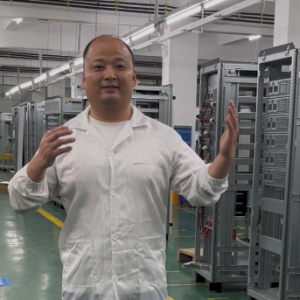
A Message from KRL Power’s R&D Director
“After more than twenty years working in industrial energy systems and smart power integration, we have learned that modern factories require far more than simple backup power.
Manufacturers today need intelligent energy ecosystems capable of balancing solar, grid, generator, and storage resources seamlessly.
At KRL Power, we engineer industrial ESS solutions designed to improve operational continuity, reduce energy costs, and help factories build long-term energy resilience.”
— R&D Director, KRL Power
Why Manufacturers Choose KRL Power
Industrial-Grade Reliability
Designed specifically for demanding factory applications.
Intelligent EMS Platform
Improves long-term operational efficiency and ROI.
Integrated All-in-One Design
Simplifies deployment and maintenance.
Flexible Scalability
Supports future production expansion.
Advanced Safety Engineering
Multi-layer safety architecture ensures stable operation.
Frequently Asked Questions (FAQ)
Q1. Can the ESS work together with existing solar systems?
Yes. KRL industrial ESS solutions are designed for seamless solar integration.
Q2. What is peak shaving in industrial ESS?
Peak shaving allows the battery system to discharge during high electricity tariff periods, reducing energy costs.
Q3. Can the ESS automatically switch between power sources?
Yes. KRL’s EMS platform supports seamless automatic switching between solar, battery, grid, and generator systems.
Q4. Why is liquid cooling important?
Liquid cooling improves thermal stability, battery lifespan, and operational safety in industrial environments.
Q5. Can the system reduce diesel generator usage?
Yes. The ESS can significantly reduce generator runtime and fuel consumption.
Q6. Is remote monitoring available?
Yes. KRL ESS platforms support cloud-based monitoring and diagnostics.
Q7. Can the system be expanded later?
Yes. KRL’s modular architecture allows future battery capacity expansion.
Conclusion
For South African manufacturers, intelligent industrial microgrid systems are becoming essential for long-term operational competitiveness.
A properly designed solar + storage microgrid can provide:
A properly designed solar + storage microgrid can provide:
- Lower electricity costs
- Improved power stability
- Reduced diesel dependence
- Better renewable energy utilization
- Seamless production continuity
- Higher operational resilience
KRL Power’s advanced liquid-cooled commercial & industrial ESS platform is specifically engineered to meet these evolving industrial energy requirements.
As South Africa’s industrial energy transition accelerates, factories investing early in intelligent microgrid infrastructure will gain significant operational and financial advantages.
As South Africa’s industrial energy transition accelerates, factories investing early in intelligent microgrid infrastructure will gain significant operational and financial advantages.