 Slaan oor na inhoud
Outeperspektief: 20 jaar in energiebergingsingenieurswese
Na twee dekades se werk aan batterystelsels, kragelektronika en netwerkintegrasie, is een ding duidelik: kommersiële en nywerheids (C&I) energieberging treed 'n era van presisie-ingenieurswese binne. It’s no longer about simply installing batteries—it’s about stelselinligting, lewensiklus-ROI en veiligheid op skaal.
Aangedryf deur toenemende piek-dal elektrisiteitspryse, regeringsaansporings en dalende batterykoste, word C&I-energiebergingskaste vinnig 'n kerninfrastruktuur-bate vir fabrieke, logistieke parke, datasentrums en kommersiële geboue.
Sleutel-tegnologie-trends in C&I-energiebergingskaste
1. Baterie-evolusie: kapasiteitsvergroting + diversifikasie van chemie
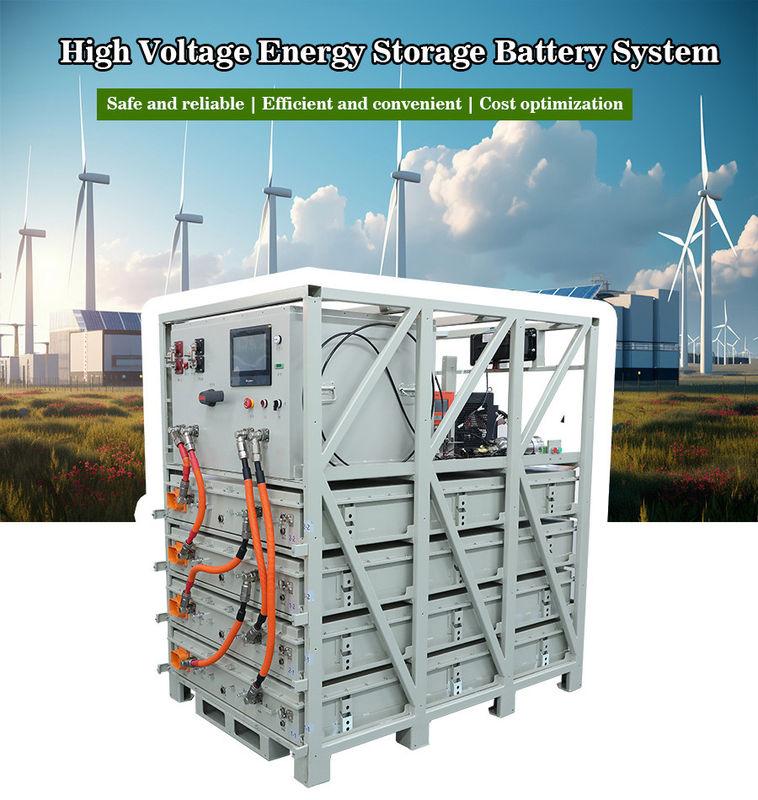
Twee groot verskuiwings bepaal batteryninnovasie:
(a) Hoëkapasiteit-selle word standaard
Die bedryf het amptelik in die 280Ah+ era, met 300Ah-, 314Ah- en 320Ah-selle reeds in massaproduksie.
→ Expect 300Ah+ selle om die standaard te word vir C&I-stelsels.
→ Benefits include:
- Laer stelselskompleksiteit
- Hoër energiedigtheid
- Verminderde BOS (Balans van die stelsel) koste
(b) Chemiese verskuiwing: LFP-dominansie teenoor natriumioon-ontwrigting
- LFP (Lithiumysterfosfaat) bly dominant weens veiligheid en sikuslewe
- Sodium-ioonbatterye kom na vore met:
- Potensiaal vir laer koste
- Uitstekende lae-temperatuursprestasie
👉 Over the next 3–5 years, sodium-ion will complement—not fully replace—LFP, veral in koste-sensitiewe of koue-streek ontplooiings.
2. BMS: Van monitering tot voorspellende veiligheidsintelligensie
Batterybestuurstelsels ontwikkel verder as basiese monitering:
- Hoë-presisie sensoring (selvlak-temperatuur en -spanning)
- Sterk vermoë om inmenging te voorkom
- Akkuraatheid van werklike-tyd dataversameling
Kritieke verskuiwing:
➡️ From passiewe monitering → voorspellende foutdeteksie
Aktiewe balanseringstegnologie word ook standaard:
- Pas dinamies aan op grond van SOC, spanning en kapasiteit.
- Verleng die batterylewe
- Verbeter die stelselkonsistensie
3. EMS: KI-gedrewe energie-optimaliseringplatforms
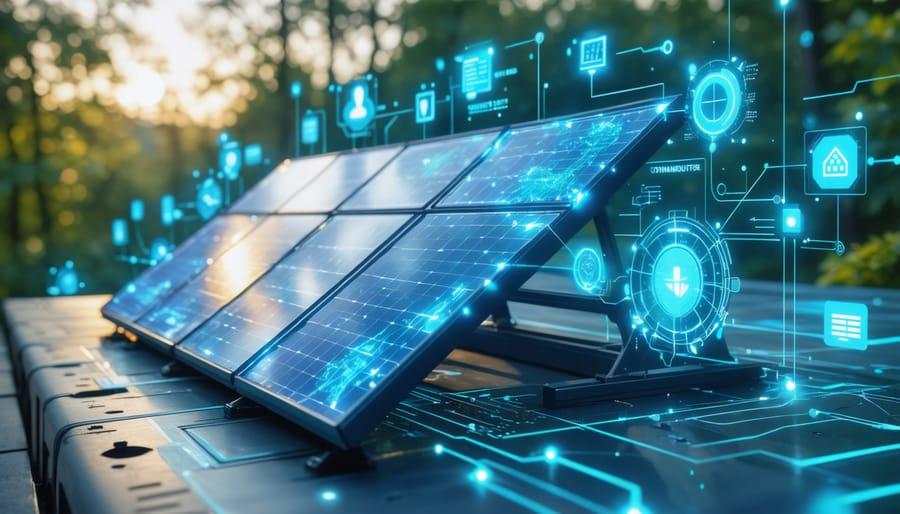
Modern EMS is no longer optional—it’s the brein van winsgewendheid.
Belangrike evolusierigtings:
- KI + grootdata-optimalisering
- Wolkgebaseerde platformbestuur
- Veelenergiekoördinering (sonkrag + berging + netwerk + EV)
- Regstreekse strategie-outomatisering
👉 The value is clear:
Piekvlakvermindering + dalvulling + vraagreaksie = maksimum ROI
4. PCS: Modulêr, Buigsaam en Hoëdoeltreffend
Kragomskakelstelsels (PCS) word:
- Modulêr en skaalbaar
- Hoë-doeltreffendheid (>98%)
- Aanpasbaar by diverse vragscenario's
Vir C&I-gebruikers beteken dit:
✔ Flexible deployment
✔ Easier system expansion
✔ Reduced downtime
5. Termiese Bestuur: Vloeistofafkoeling word die standaard
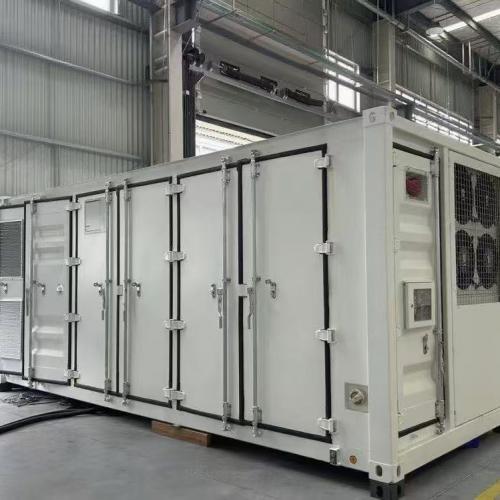
Safety is non-negotiable—and thermal management is the frontline defense.
Waarom vloeibare verkoeling wen:
- Hoër hitteafvoerdoeltreffendheid
- Beter temperatuuruniformiteit oor selle
- ~40% ruimtebesparing teenoor lugafkoeling
- Ondersteun stelsels met hoër energiedigtheid
👉 As system capacities grow, liquid cooling is no longer optional—it’s inevitable.
Waarom KRL Power 'n topkeuse is vir C&I-energieberging
In 'n oorvol mark stem baie min maatskappye ooreen. ingenieursdiepte + stelselintegrasie + kommersiële ROI so doeltreffend soos KRL.
Uiterste Veiligheidargitektuur
- Hoë kwaliteit langlewe-batteryselle
- Gevorderde vloeibare verkoelingstelsel
- Intelligente BMS met voorspellende diagnostiek
- Veelvlak-aktiewe brandbeskerming
Ontwerp vir Geen-kompromie veiligheid in komplekse omgewings
Superieure koste-optimalisering (egte ROI-fokus)
KRL’s self-developed EMS enables:
- Piekvlakking en dalvulling
- Dinamiese kapasiteitsuitbreiding
- Slim uitsoostrategieë
Result:
Korter terugbetaalperiode + laer elektrisiteitsrekeninge
Hoog geïntegreerde alles-in-een ontwerp
- Steek-en-speel-ontplooiing
- Modulêre skaalbaarheid
- Verminderde installasietyd en -koste
Kombineer met:
- Wolkgebaseerde KI-monitering
- Voorspellende instandhouding
- Echtetydse diagnostiek
Dit is wat modern “smart energy infrastructure” lyk soos.
Markposisionering
KRL is erken as:
Hoëgehalte-energiebergingsonderneming 2025
Met:
- Snelle groei in versending
- Sterk wêreldwye vraagafstemming
- Voordeel in aanbodbeperkte premiumsegmente
KRL is not just a supplier—it’s a Hoëpresterende uitdagermerk wat die volgende fase van energiestoring vorm.
Die toekoms van C&I-energieberging sal deur drie dinge bepaal word:
- Diepte van veiligheidsargitektuur
- Stelselinligting (EMS + KI)
- Ekonomiese lewensiklusoptimalisering
Companies that master all three—like KRL Krag—will dominate the next decade.
