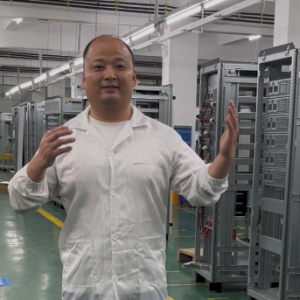
As a technical director with over 20 years of experience in energy systems engineering, I have worked extensively in regions where grid instability is not an occasional issue — it is a daily operational risk.
Across Southeast Asia, Africa, and parts of the Middle East, businesses face a common challenge:
Across Southeast Asia, Africa, and parts of the Middle East, businesses face a common challenge:
Unreliable grid power is directly impacting productivity, costs, and long-term growth.
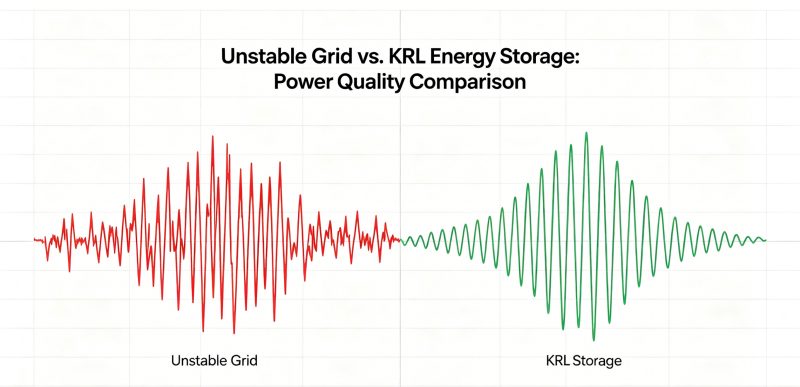
If your operations depend on continuous power, then solving grid instability is not optional — it is a strategic necessity.
What Does “Unreliable Grid” Really Mean?
An unreliable grid typically includes:
- Frequent power outages
- Voltage fluctuations
- Load shedding
- Inconsistent supply
For industrial and commercial users, these issues lead to:
- Production downtime
- Equipment damage
- Increased operational costs
- Reduced efficiency
Traditional Approaches — And Why They Fall Short
1. Diesel Generators
Still widely used, but increasingly problematic:
- High fuel costs
- Maintenance-heavy
- Noise and emissions
- Not suitable for long-term optimization
2. Grid-Only Dependency
Relying solely on unstable grids is no longer viable in many regions.
The reality is clear:
The reality is clear:
Neither diesel nor grid-only solutions provide long-term reliability or cost efficiency.
The Modern Solution: Energy Storage Systems (ESS)
The most effective solution today for unreliable grid environments is:
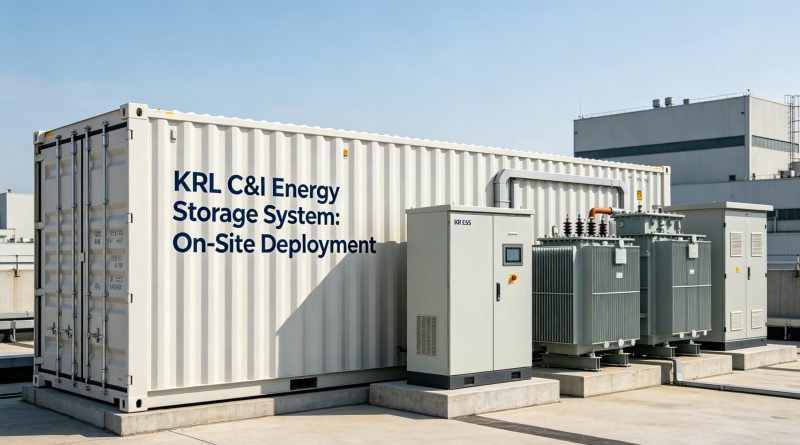
These systems store electricity and intelligently dispatch it when needed, ensuring:
- Continuous power supply
- Instant response during outages
- Optimized energy usage
Why KRL Power Leads in This Field
KRL Power has rapidly emerged as a high-performance player in the global energy storage industry, focusing specifically on C&I applications.
Our systems are designed to handle complex and unstable grid environments.
Our systems are designed to handle complex and unstable grid environments.
1. Extreme Safety Architecture
In unreliable grid conditions, system stability is critical.
KRL integrates:
KRL integrates:
- High-quality long-life battery cells
- Advanced liquid cooling systems
- Intelligent BMS
- Multi-layer active fire protection
Ensuring safe and stable operation even under fluctuating grid conditions.
2. Advanced Energy Management (EMS)
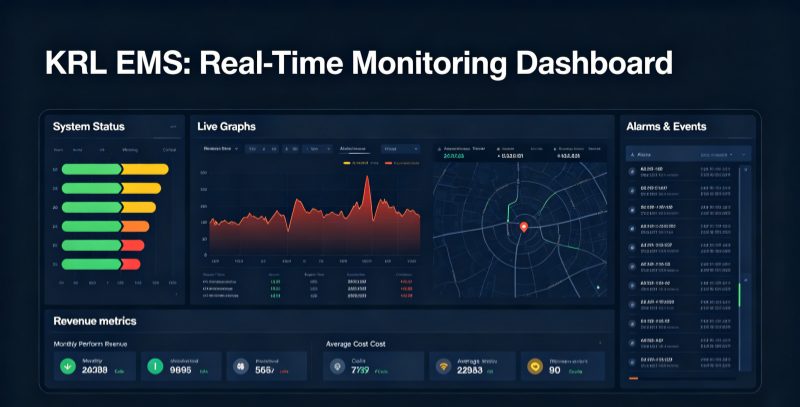
Our self-developed EMS provides:
- Real-time energy optimization
- Peak shaving & valley filling
- Intelligent dispatch
This allows businesses to:
- Reduce electricity costs
- Avoid peak tariffs
- Improve overall efficiency
3. Smart, Scalable Design
- All-in-one modular architecture
- Plug-and-play deployment
- Cloud-based monitoring & diagnostics
Ideal for both small facilities and large industrial operations.
Key Use Cases
Manufacturing Facilities
Maintain continuous production even during grid failure.
Telecom Infrastructure
Ensure uninterrupted communication networks in remote areas.
Hospitals & Critical Facilities
Provide stable power for life-critical operations.
Commercial Buildings
Improve energy reliability and customer experience.
System Architecture for Unreliable Grid
A typical KRL solution includes:
- Battery storage system
- EMS control platform
- Grid connection
- Optional solar integration
This creates a hybrid energy system capable of:
- Grid support
- Backup power
- Energy optimization
System Architecture for Unreliable Grid
| Factor | Diesel Generator | Energy Storage System |
|---|---|---|
| Fuel Cost | High | None |
| Maintenance | High | Low |
| Noise | High | Silent |
| Response Time | Delayed | Instant |
| Lifespan | 3–5 years | 10+ years |
ROI: The Business Case
From real-world deployments:
- Payback period: 2–4 years
- Energy savings: 30–60%
- Downtime reduction: Up to 100%
For most businesses, the shift to energy storage is financially justified within a short timeframe.
How to Choose the Right Solution
1. Load Profile
Understand your power demand patterns.
2. Outage Frequency
More instability = higher value of ESS.
3. Energy Costs
Higher tariffs = faster ROI.
4. Future Expansion
Choose scalable systems.
Final Thoughts
Unreliable grid conditions are not going away — but the way businesses respond is changing.
Energy storage is no longer a backup option — it is becoming the primary energy strategy.
Companies that adopt ESS today gain:
Energy storage is no longer a backup option — it is becoming the primary energy strategy.
Companies that adopt ESS today gain:
- Operational stability
- Cost savings
- Competitive advantage
Get Expert Support
If your business is affected by unstable grid conditions, our engineering team at KRL can help you:
- Design a tailored solution
- Analyze ROI
- Deploy scalable systems
FAQ
Q1. What is the best solution for unreliable grid power?
Battery energy storage systems are the most effective and scalable solution.
Q2. Can energy storage completely replace diesel generators?
In most cases, yes — especially when combined with solar or grid charging.
Q3. Is ESS suitable for industrial applications?
Absolutely. It is specifically designed for high-load and continuous operations.
Q4. How long does the system last?
Typically over 10 years with proper management.
Q5. What industries benefit most?
Manufacturing, telecom, healthcare, and commercial sectors.