 Skip to content
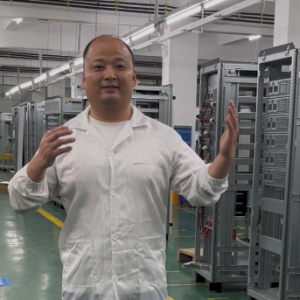
As a technical director with over two decades of experience in industrial power systems, I’ve worked with hundreds of manufacturing facilities across regions facing unstable grid conditions.
One issue consistently stands out:
Power outages are no longer just an inconvenience — they are a direct threat to profitability.
One issue consistently stands out:
Power outages are no longer just an inconvenience — they are a direct threat to profitability.
For factory owners and energy managers, ensuring reliable backup power is no longer optional. It is a strategic investment decision.
In this guide, I’ll walk you through the most effective solutions available today — and how to choose the right system for your factory.
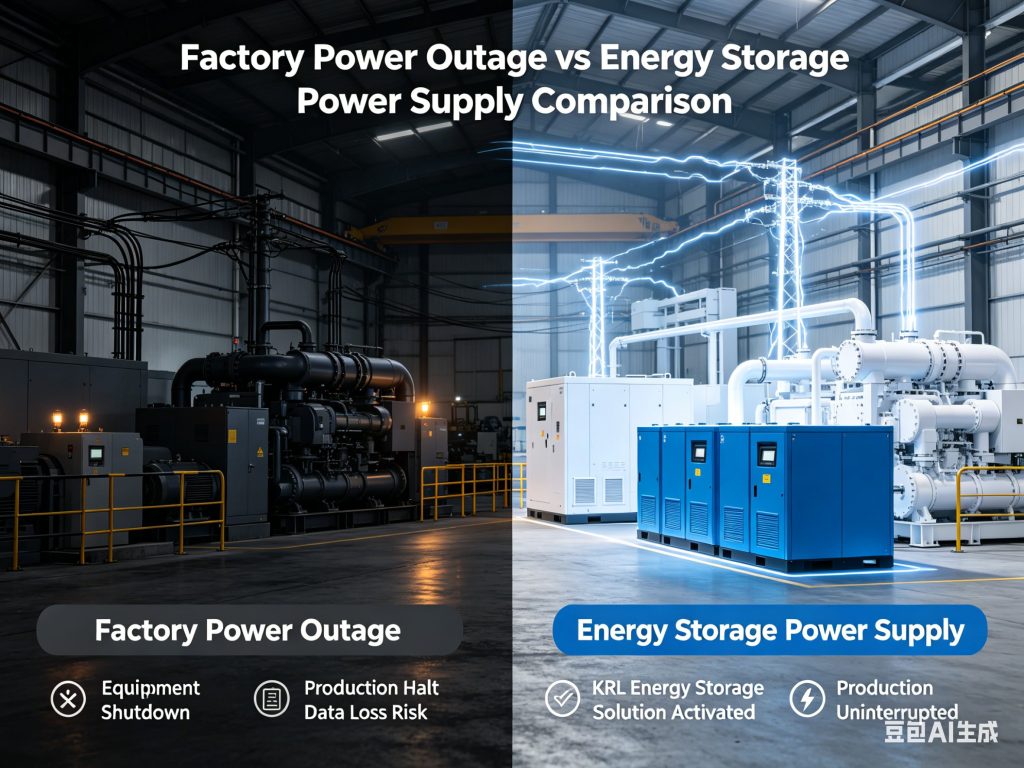
Why Backup Power for Factories Is Critical
In modern manufacturing environments, even a short power interruption can result in:
- Production line shutdown
- Equipment damage
- Raw material waste
- Delayed deliveries
- Contract penalties
In regions with weak or unstable grids, these risks are amplified.
The real question is not “Do you need backup power?”
It is “What is the most reliable and cost-effective solution?”
The real question is not “Do you need backup power?”
It is “What is the most reliable and cost-effective solution?”
Traditional Solution: Diesel Generators (And Their Limitations)
For decades, diesel generators have been the default choice.
However, they come with major drawbacks:
However, they come with major drawbacks:
❌High Operating Costs
Fuel prices fluctuate and continue rising globally.
❌Maintenance Burden
Frequent servicing, oil changes, and mechanical failures increase downtime risk.
❌ Noise and Emissions
Not suitable for modern industrial environments with sustainability targets.
❌ Delayed Response
Generators take time to start — causing momentary interruptions.
Modern Solution: Battery Energy Storage Systems (BESS)
Today, the most advanced solution for backup power for factory operations is:
Commercial & Industrial Energy Storage Systems (C&I ESS)
Unlike diesel generators, battery systems provide:
Commercial & Industrial Energy Storage Systems (C&I ESS)
Unlike diesel generators, battery systems provide:
- Instant power response
- Silent operation
- Zero fuel dependency
- Intelligent energy management
Why KRL Power Is the Right Partner
At KRL Power, we specialize in delivering high-performance C&I energy storage solutions tailored for industrial applications.
Our systems are engineered not just for backup — but for complete energy optimization.
Our systems are engineered not just for backup — but for complete energy optimization.
1. Extreme Safety Architecture
Safety is the foundation of industrial energy systems.
KRL systems integrate:
KRL systems integrate:
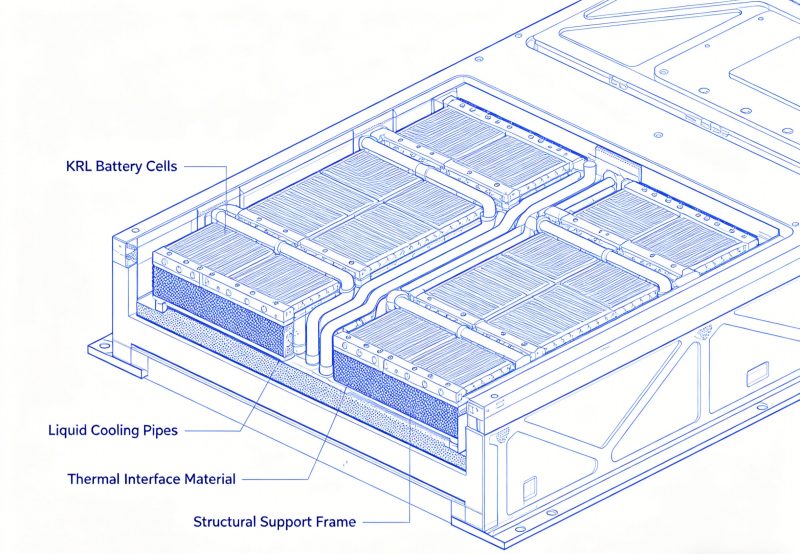
- Long-life high-quality battery cells
- Advanced liquid cooling technology
- Intelligent Battery Management System (BMS)
- Multi-layer active fire protection
Ensuring stable operation under demanding industrial conditions.
2. Cost Optimization Through Intelligent EMS
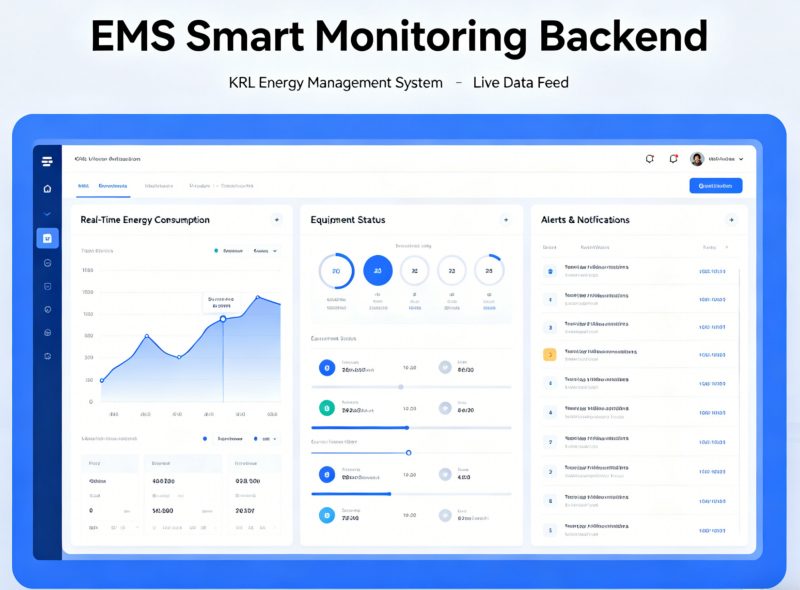
Our proprietary Energy Management System (EMS) enables:
- Peak shaving (reduce electricity bills)
- Valley filling (optimize energy usage)
- Dynamic capacity expansion
Result:
Lower operating costs + faster ROI
3. Smart, Scalable, and Easy to Deploy
KRL’s all-in-one modular design offers:
- Plug-and-play installation
- Flexible scalability
- Cloud-based AI monitoring
This allows factories to expand capacity as demand grows.
Real-World Applications
Manufacturing Plant
Ensure uninterrupted production even during grid failures.
Industrial Processing Facilities
Maintain stable voltage for sensitive machinery.
Textile & Light Industry
Avoid material waste due to sudden shutdowns.
Industrial Parks
Centralized energy storage improves overall efficiency.
Cost Comparison: Diesel vs Battery Storage
| Factor | Diesel Generator | KRL Energy Storage |
|---|---|---|
| Fuel Cost | High | None |
| Maintenance | High | Low |
| Noise | High | Silent |
| Startup Time | Seconds | Instant |
| Lifespan | 3–5 years | 10+ years |
ROI: What Factory Owners Really Care About
From our project experience:
- Payback period: 2–4 years
- Energy cost reduction: 30–50%
- Downtime reduction: Near zero
Battery storage is not an expense — it’s an investment.
How to Choose the Right Backup Power Solution
When evaluating solutions, consider:
1. Load Requirements
What is your peak demand?
2. Outage Frequency
How often does your facility experience power loss?
3. Energy Cost Structure
Are you paying peak tariffs?
4. Expansion Plans
Will your factory scale in the next 3–5 years?
A properly designed ESS should address all these factors.
Final Thoughts
The future of industrial backup power is no longer diesel.
It is: Smart, clean, and cost-efficient energy storage
Factories that adopt battery storage today gain:
It is: Smart, clean, and cost-efficient energy storage
Factories that adopt battery storage today gain:
- Higher operational stability
- Lower long-term costs
- Competitive advantage
Get a Customized Solution
If you’re evaluating backup power for your factory, our engineering team can help you:
- Design a tailored system
- Calculate ROI
- Optimize your energy strategy
FAQ
1. What is the best backup power solution for a factory?
Battery energy storage systems (ESS) are the most efficient and cost-effective solution today.
2. Can battery storage replace diesel generators completely?
In most cases, yes — especially when combined with grid or solar input.
3. How long does a factory ESS system last?
Typically over 10 years with proper operation.
4. Is it suitable for unstable grid regions?
Yes. ESS performs best in areas with frequent outages.
5. How fast is the ROI?
Usually between 2 to 4 years depending on usage.
