 Skip to content
How Electricity Marketization and AIDC Demand Are Transforming C&I Energy Storage into High-Value Energy Assets (2026 Industry Insight + Solution Guide)
Introduction: The Structural Shift in Energy Storage Value
The global energy storage industry is undergoing a fundamental transformation.
We are moving away from a hardware-driven expansion era toward a profitability-driven, scenario-based asset operation era.
Based on recent industry observations and policy evolution, three major forces are redefining how Commercial & Industrial (C&I) Energy Storage Systems generate value:
- Electricity marketization and power trading mechanisms
- AIDC (AI Data Center) explosive energy demand
- Rapid expansion of overseas residential and C&I storage markets
For industrial and commercial users, energy storage is no longer just a backup system—it has become a financial optimization asset and energy trading engine.
1. Electricity Marketization: From Equipment Sales to Energy Profit Engines
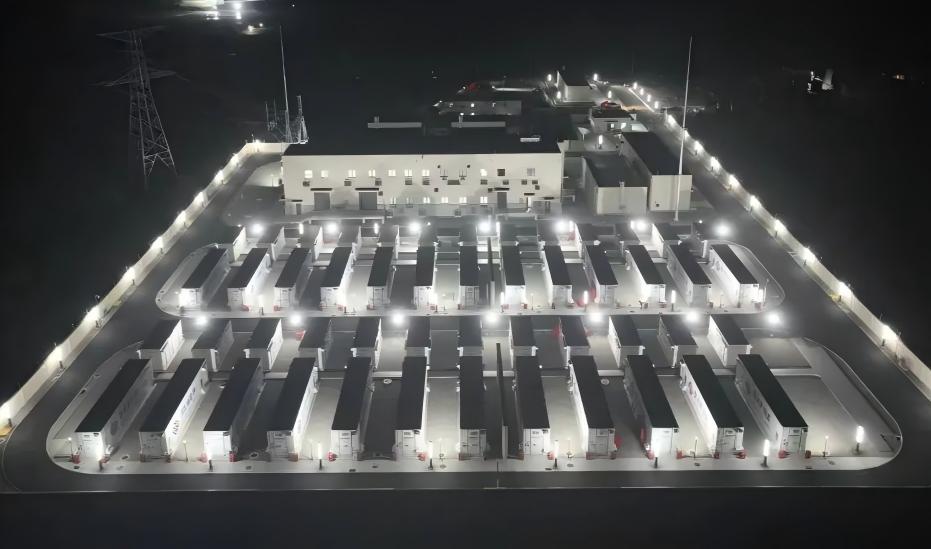
The most significant structural change in 2026 is the deepening of electricity marketization.
Three revenue streams now define modern ESS economics:
Three revenue streams now define modern ESS economics:
- Capacity compensation mechanisms
- Electricity spot market trading
- Ancillary services (frequency regulation, reserve capacity)
This shift means that C&I energy storage profitability is no longer fixed—it depends on market intelligence and operational strategy.
Key Insight from Industry Practice
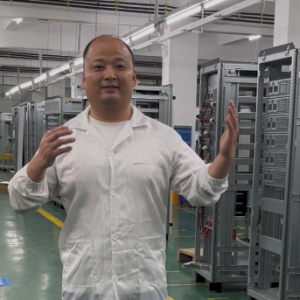
As an R&D engineer with two decades of field deployment experience, I can confirm:
Key Insight from Industry Practice
As an R&D engineer with two decades of field deployment experience, I can confirm:
Two identical storage systems can generate 30–80% difference in ROI depending on energy trading strategy and dispatch optimization.
The competitive advantage is no longer hardware—it is data, algorithms, and operational intelligence.
2. AIDC Energy Storage: The Fastest-Growing High-Margin Scenario
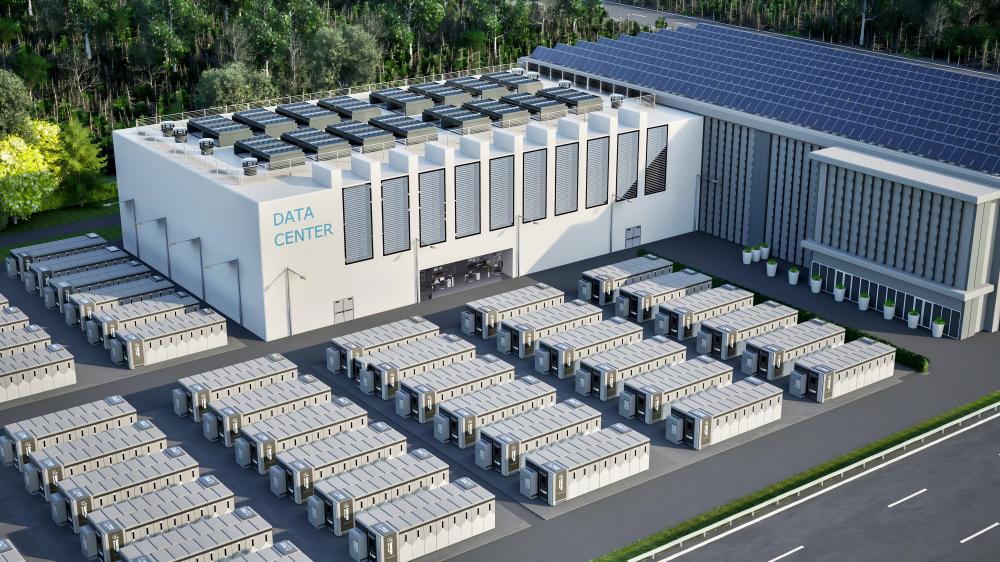
AI data centers (AIDC) are redefining energy consumption patterns globally.
Key trends:
Key trends:
- Global data center electricity demand growing >17% annually
- AI computing workloads increasing energy usage by up to 50% per year
- Power stability requirements becoming mission-critical infrastructure
Why AIDC Storage Is High Value
Compared with traditional renewable storage:
- Higher load stability → better revenue predictability
- Premium electricity price sensitivity
- Strong willingness to pay for reliability
- Long-duration operational cycles
This creates a high-margin, low-volatility ESS application scenario.
Industry Direction
Leading energy companies are now deploying:
- Storage + data center co-location systems
- AI-driven energy dispatch platforms
- Hybrid lithium + sodium storage architectures
KRL Power is actively developing integrated storage + computing energy architecture systems for high-density AIDC environments.
3. Overseas C&I Storage: The Stabilizer of Global Growth
While domestic competition intensifies, overseas markets—especially Africa, Southeast Asia, and Latin America—are becoming critical profit stabilizers.
Market Characteristics
- High electricity instability
- Strong demand for diesel replacement
- Rapid adoption of hybrid solar + storage systems
- Premium pricing for reliable ESS solutions
Commercial Reality
In overseas markets:
- Customers prioritize system reliability over lowest price
- Certification and safety compliance directly impact purchasing decisions
- Service capability determines long-term contracts
As a result, overseas storage delivers:
Higher average selling price (ASP) + stronger gross margin stability
KRL Power ’s overseas shipment structure reflects this trend, with rapid expansion in industrial and commercial ESS deployments across emerging markets.
4. KRL Power C&I Energy Storage System: Built for the New Profit Cycle
KRL Power
KRL Power has evolved into a scenario-driven energy asset solution provider, not just a hardware manufacturer.
Our C&I ESS platform is designed around three core engineering principles:
Our C&I ESS platform is designed around three core engineering principles:
4.1 Extreme Safety Architecture
- Long-cycle lithium cells
- Advanced liquid cooling system
- Intelligent BMS monitoring
- Multi-layer active fire protection
This ensures stable operation even under high-load industrial environments.
4.2 AI-Driven Energy Optimization (EMS Core)
Our self-developed EMS enables:
- Peak shaving & valley filling
- Dynamic capacity expansion
- Real-time electricity price response
- Energy trading optimization
This is the core engine of profitability transformation.
4.3 Modular & Scalable Design
- Plug-and-play deployment
- Containerized architecture
- Fast installation and commissioning
- Scalable MW-level expansion
Scalable MW-level expansion
This reduces project deployment time and improves ROI cycle efficiency.
5. Energy Storage ROI Is No Longer Hardware-Driven
| Era | Value Driver |
|---|---|
| 2018–2022 | Battery cost & capacity |
| 2023–2025 | System integration |
| 2026+ | Energy trading + scenario operation |
Key Conclusion
The future winner in ESS is not the lowest-cost manufacturer, but the best energy operator.
KRL Power is positioned exactly at this transition point—combining hardware + EMS + scenario deployment capability.
6. Application Scenarios Driving Growth
Core C&I Use Cases:
- Industrial peak shaving systems
- Manufacturing energy cost optimization
- Data center backup & load balancing
- Microgrid stabilization
- Renewable integration (solar + storage)
Each scenario requires a different optimization strategy, not a standardized product.
7. Strategic Outlook: 2026–2030 ESS Market
Based on current global trends:
- Electricity marketization will deepen globally
- AIDC energy demand will double ESS requirements
- Overseas storage will become primary growth engine
- Energy trading capability will define enterprise valuation
The ESS industry is entering a financialized energy asset era.
- Electricity marketization will deepen globally
- AIDC energy demand will double ESS requirements
- Overseas storage will become primary growth engine
- Energy trading capability will define enterprise valuation
If you are planning to deploy:
- Industrial energy storage systems
- AIDC energy infrastructure
- Overseas C&I ESS projects
- Energy trading optimized storage assets
FAQ
Q1: What is the main difference between traditional ESS and market-driven ESS?
Traditional ESS focuses on backup power, while modern ESS focuses on energy trading, cost optimization, and revenue generation.
Q2: How does AIDC impact energy storage demand?
AI data centers require stable, high-density power systems, making energy storage a critical infrastructure component, not optional equipment.
Q3: Why is overseas ESS more profitable?
Because of higher electricity prices, unstable grids, and stronger demand for reliable energy solutions, leading to higher margins and longer contracts.
Q4: How does KRL Power improve ESS ROI?
Through AI-based EMS optimization, peak shaving strategies, and flexible deployment architecture.
Q5: Is energy trading necessary for ESS profitability?
In 2026 and beyond, yes. Energy trading is becoming the core revenue optimization mechanism for storage systems.
Conclusion: The Future of Energy Storage Is Operational, Not Hardware-Based
The energy storage industry is no longer defined by capacity or cost alone.
It is defined by:
It is defined by:
- Market participation capability
- Scenario adaptability
- AI-driven energy optimization
- Global deployment strategy
KRL Power continues to evolve its C&I ESS solutions to help industrial users transition from energy consumers → energy asset operators.
