 Skip to content
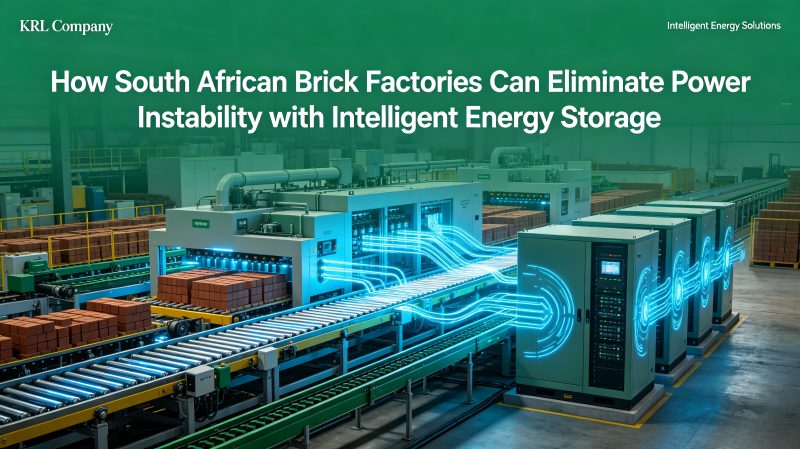
How South African Brick Factories Can Eliminate Power Instability with Intelligent Energy Storage
A Real Industrial Challenge in South Africa
In many regions of South Africa, industrial manufacturers are facing a difficult reality: unstable grid power, rising electricity tariffs, and production losses caused by unexpected outages.
For brick factories and heavy manufacturing plants, the impact is even more severe.
A single interruption can stop conveyor systems, hydraulic presses, kilns, crushers, or automated production lines. Restarting heavy-load equipment often creates high surge currents, operational delays, damaged materials, and expensive downtime.
Recently,KRL Power received an inquiry from a South African brick manufacturing customer seeking a reliable energy storage solution for continuous operation of heavy-load machinery. The customer required a system capable of supporting demanding industrial equipment for long operating hours while improving overall power stability and reducing energy costs.
This is not an isolated case. It represents a growing trend across Africa’s industrial sector.
Why Traditional Backup Power Is No Longer Enough
For years, many factories relied heavily on diesel generators during outages. But today, diesel-only strategies are becoming increasingly unsustainable because of:
- Rising diesel fuel prices
- High maintenance costs
- Noise and emissions regulations
- Slow generator response times
- Voltage instability during equipment startup
- Poor long-term ROI
For factories operating heavy machinery, unstable voltage during restart cycles can damage motors and shorten equipment lifespan.
This is where modern Commercial & Industrial Energy Storage Systems (C&I ESS) provide a more intelligent and financially sustainable solution.
The Real Requirement: Stable Power for Heavy Industrial Loads
The South African customer specifically emphasized several critical operational needs:
1. Stable Restart Capability for Brick Machinery
Brick production equipment often requires high instantaneous power during startup. Standard backup systems may fail to deliver stable discharge under surge loads.ds:
2. Long Runtime During Grid Interruptions
Load shedding events in South Africa can last several hours. The customer needed extended energy support to maintain essential operations.
3. Flexible Capacity Selection
The customer considered both 200kWh and 160kWh configurations depending on final equipment matching and operational schedules.
4. Reduced Electricity Costs
Beyond backup power, the customer wanted the system to reduce peak electricity demand charges and optimize daily energy consumption.
KRL Power’s Recommended Solution for South African Brick Factories
Intelligent C&I Energy Storage Designed for Harsh Industrial Conditions
Based on the customer’s operational profile, KRL Power recommended its advanced liquid-cooled commercial and industrial energy storage platform.
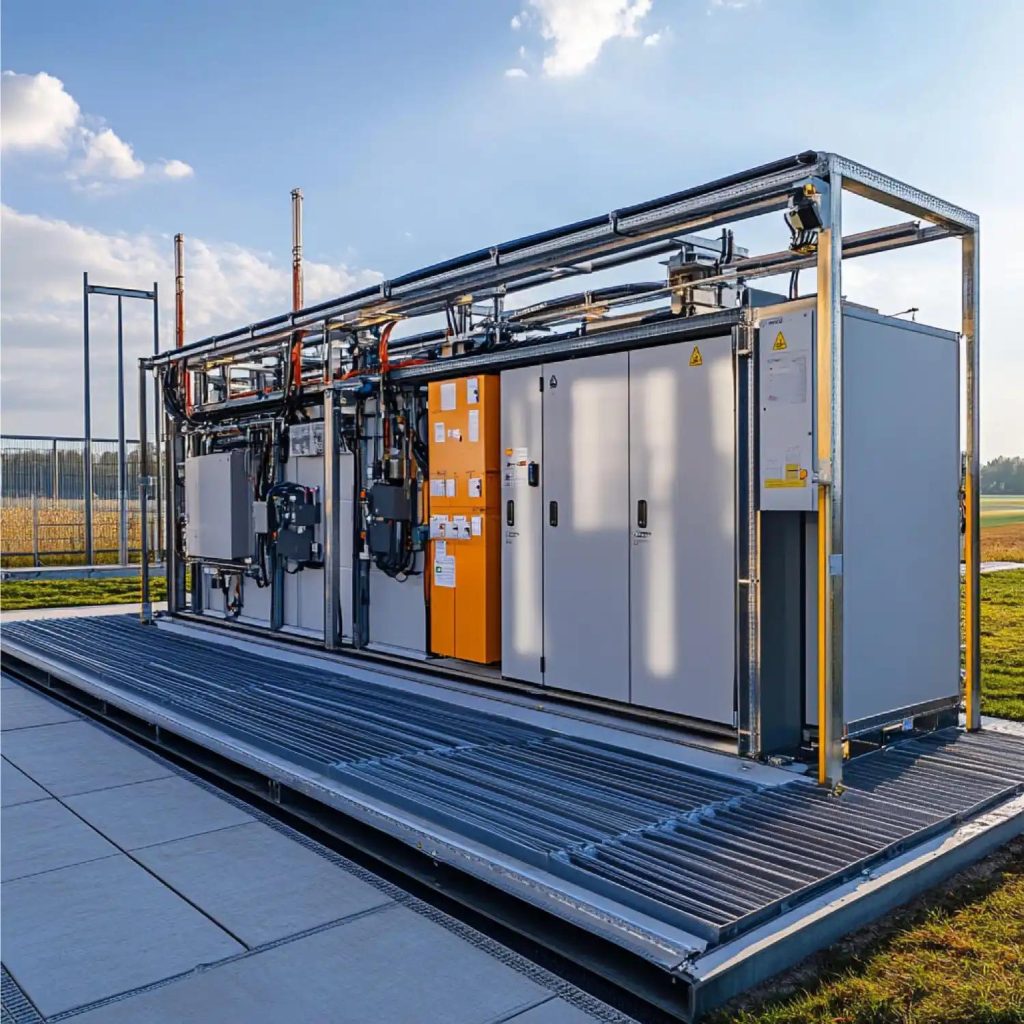
The proposed system configuration focuses on:
- High discharge stability
- Heavy-load startup support
- Long cycle life
- Smart EMS optimization
- Flexible scalability
- Enhanced operational safety
Recommended System Architecture
Battery System
KRL liquid-cooled lithium battery storage cabinet
Capacity Options
- 160kWh Industrial ESS
- 200kWh Industrial ESS
Core Technologies
- Intelligent BMS protection
- Advanced liquid cooling thermal management
- AI-enabled EMS optimization
- Multi-layer fire protection system
- Remote cloud monitoring platform
Operational Modes
- Peak shaving
- Backup power
- Solar integration
- Load shifting
- Demand charge management
- Microgrid support
Why Liquid Cooling Matters in Industrial Energy Storage
In industrial environments like brick factories, ambient temperatures, dust, and continuous operation create extreme thermal stress.
Traditional air-cooled systems may experience:
Traditional air-cooled systems may experience:
- Uneven cell temperatures
- Reduced battery lifespan
- Lower discharge efficiency
- Higher maintenance frequency
KRL’s liquid-cooled architecture delivers:
- Better thermal consistency
- Longer battery lifespan
- Stable high-power discharge
- Improved safety performance
- Higher operational efficiency
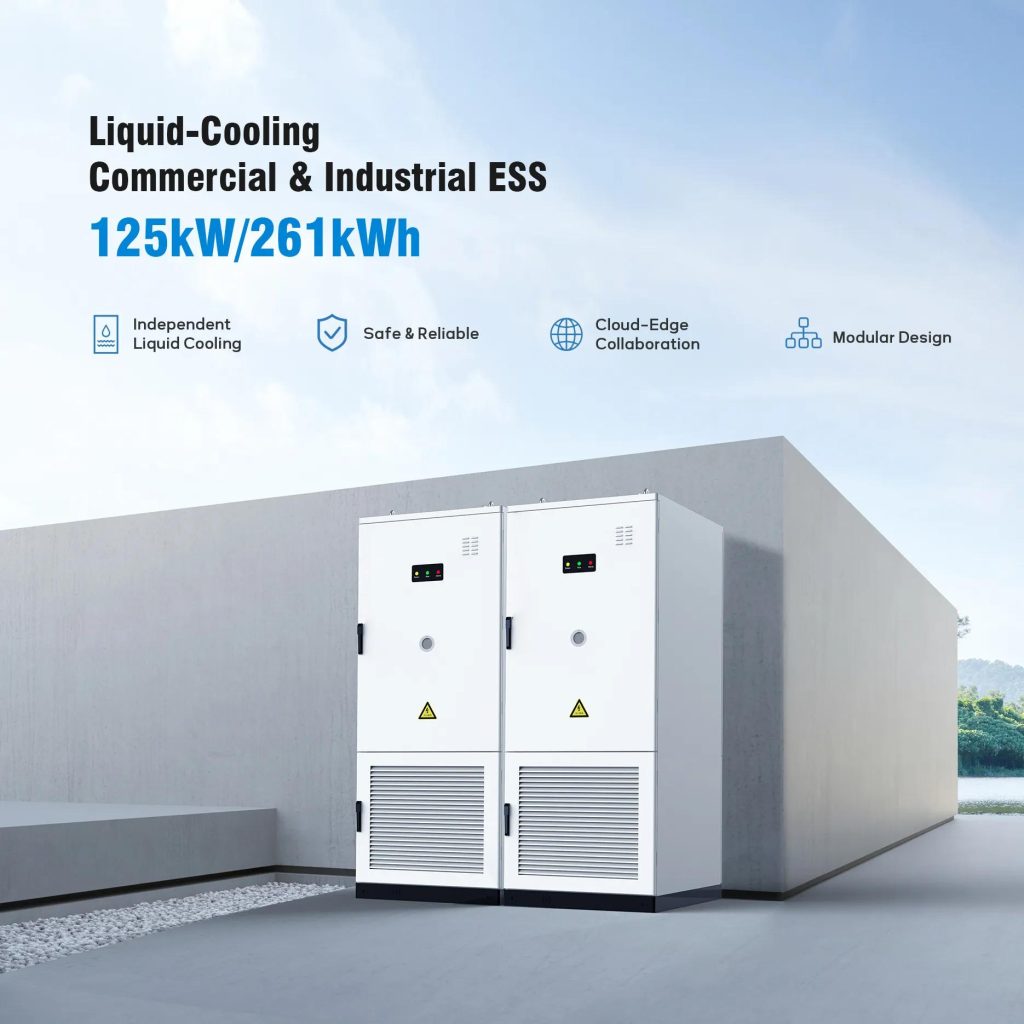
For factories running heavy-load machinery continuously, thermal stability directly impacts reliability and ROI.
How KRL EMS Helps South African Factories Save Money
Many industrial users initially focus only on backup power. However, the larger long-term value often comes from intelligent energy optimization.
KRL’s self-developed EMS (Energy Management System) helps factories:
KRL’s self-developed EMS (Energy Management System) helps factories:
Reduce Peak Demand Charges
The ESS discharges during high-tariff periods to reduce expensive peak electricity consumption.
Optimize Solar Utilization
Factories with rooftop solar can store excess daytime energy for evening operations.
Improve Power Quality
The system smooths voltage fluctuations and reduces stress on sensitive equipment.
Enable Smart Energy Scheduling
AI-based algorithms optimize charging/discharging strategies automatically.
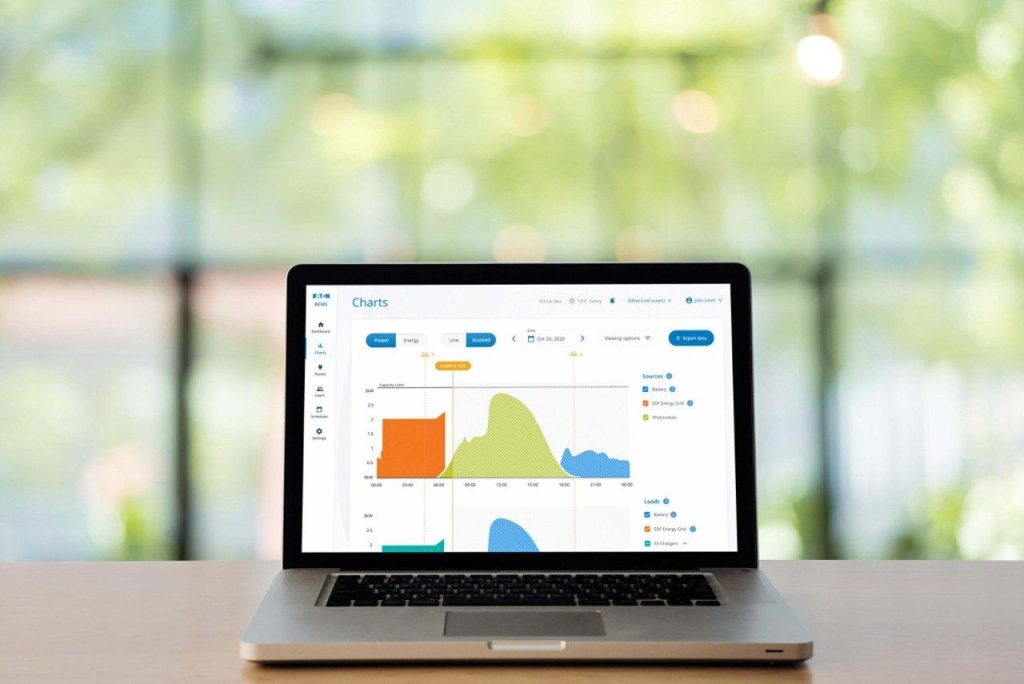
For many South African industrial users, the savings generated through peak shaving alone can significantly shorten the project payback period.
Safety Is Critical for Industrial Energy Storage
Industrial customers today are increasingly focused on ESS safety — especially after several global battery fire incidents.
At KRL Power, safety is treated as a system-level engineering discipline rather than a single component feature.
At KRL Power, safety is treated as a system-level engineering discipline rather than a single component feature.
KRL Safety Architecture Includes:
- Long-life high-quality lithium cells
- Multi-level BMS protection
- Real-time temperature monitoring
- Active fire suppression systems
- Liquid cooling thermal control
- Fault isolation mechanisms
- Cloud-based predictive diagnostics
This multi-layer approach ensures stable operation even under demanding industrial conditions.
Why South Africa Is Becoming One of the Fastest-Growing ESS Markets
South Africa’s industrial energy storage demand is accelerating because of several structural market drivers:
- Persistent load shedding
- Rising industrial electricity tariffs
- Increasing solar adoption
- Grid instability in industrial zones
- Strong ROI from peak shaving
- Growing pressure for operational resilience
Factories can no longer afford unexpected downtime.
Energy storage is rapidly shifting from an “optional upgrade” to essential industrial infrastructure.
Energy storage is rapidly shifting from an “optional upgrade” to essential industrial infrastructure.
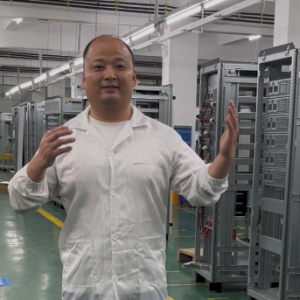
A Message from KRL Power’s R&D Director
“After more than 20 years working in industrial energy systems and smart power integration, one lesson remains consistent: manufacturers do not simply need batteries — they need operational certainty.
In heavy industries such as brick manufacturing, stable power quality directly impacts production continuity, equipment lifespan, and profitability.
KRL Power focuses on helping industrial customers build resilient, intelligent, and financially sustainable energy systems designed for real-world operating conditions.”
— R&D Director, KRL Power
Why More Industrial Customers Are Choosing KRL Power
High-Performance Industrial Design
Built specifically for demanding C&I applications.
Flexible Modular Expansion
Easily scalable for future production growth.
Intelligent AI Monitoring
Real-time cloud diagnostics reduce maintenance risks.
Faster ROI
Peak shaving and energy optimization improve project economics.
Proven Global Demand
KRL Power continues expanding internationally as demand for reliable industrial ESS solutions grows.
Frequently Asked Questions (FAQ)
Q1. What size energy storage system does a brick factory typically need?
The required size depends on machinery power consumption, operating hours, startup surge current, and backup duration requirements. Many medium-sized brick factories consider systems ranging from 100kWh to 500kWh.
Q2. Can an energy storage system start heavy industrial motors?
Yes. Properly engineered industrial ESS solutions can support high startup currents and stabilize voltage during motor startup sequences.
Q3. Is liquid cooling better than air cooling for industrial ESS?
In most heavy industrial environments, liquid cooling offers superior thermal consistency, longer battery lifespan, better discharge stability, and improved safety.
Q4. Can the system work together with solar panels?
Yes. KRL’s C&I ESS supports solar integration, enabling factories to store excess daytime solar generation for later use.
Q5. How long can a 200kWh ESS power factory equipment?
Runtime depends on total equipment load. For example, a 200kWh system running a continuous 50kW load may provide approximately 4 hours of operation under ideal conditions.
Q6. How does ESS reduce electricity bills?
The system stores electricity during low-tariff periods and discharges during expensive peak-rate periods, reducing demand charges and overall electricity costs.
Q7. Is remote monitoring available?
Yes. KRL systems support cloud-based remote monitoring, fault diagnostics, and predictive maintenance.
Conclusion
For South African brick factories and industrial manufacturers, energy storage is no longer simply about backup power.
It is about:
It is about:
- Production continuity
- Equipment protection
- Energy cost optimization
- Operational resilience
- Long-term competitiveness
KRL Power’s intelligent liquid-cooled commercial & industrial ESS platform is designed specifically for these real-world industrial challenges.
As South Africa’s industrial energy transition accelerates, factories that invest early in reliable smart energy infrastructure will gain significant operational and financial advantages over the coming decade.
As South Africa’s industrial energy transition accelerates, factories that invest early in reliable smart energy infrastructure will gain significant operational and financial advantages over the coming decade.
